
Stainless Steel Expanded Metal Near Me: Choosing Grade, Finish, and Fabrication Route
Searching for "stainless steel expanded metal near me" usually means the application has corrosion, hygiene, heat, or appearance concerns. Stainless is not chosen only because it looks better. It is chosen because the environment can punish carbon steel, because cleaning chemicals are present, because the panel sits near salt air, or because the owner wants a longer service life with less coating maintenance. The local search is only the first step. The important decision is whether the nearby material is the right stainless expanded metal for the exposure.
Stainless expanded metal combines two technical topics: stainless metallurgy and expanded mesh geometry. The grade affects corrosion resistance. The mesh pattern affects strength, open area, drainage, visibility, and fabrication. A seller may have a stainless sheet nearby, but that does not guarantee the grade, surface condition, and pattern are suitable. Buyers should slow down enough to separate material grade from sheet format and finish.
304, 316, and the exposure question
The most common discussion is 304 versus 316 stainless steel. 304 is widely used and often economical for indoor, architectural, food-adjacent, and general corrosion-resistant applications. 316 contains molybdenum and is usually selected for chloride exposure, marine air, chemical splash, and other aggressive environments. The difference matters most when the panel will be hard to replace or when corrosion could create safety, cleaning, or appearance problems.
A local seller may use "stainless" as a broad label. Ask for the grade. Ask whether material certificates are available. Ask if the sheet was stored away from carbon steel grinding dust and rust contamination. Stainless can stain if mishandled, especially when carbon steel particles embed in the surface. For projects where the finish is visible or inspected, the supply chain should understand contamination control, not just inventory.
Raised or flattened stainless mesh
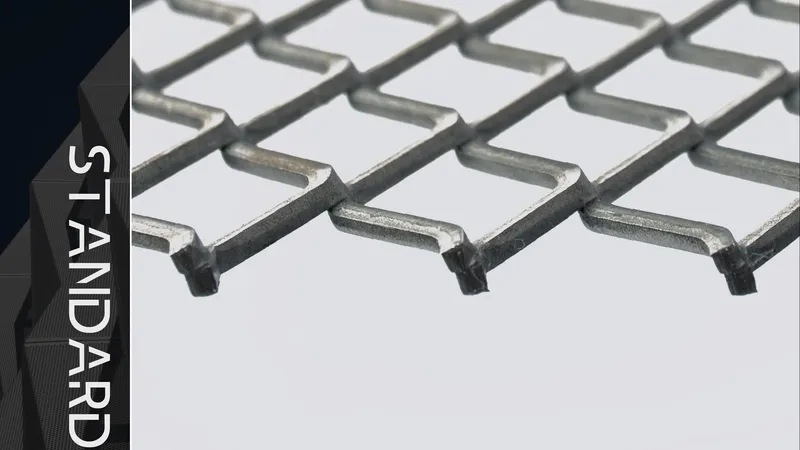
Stainless expanded metal can be supplied in raised or flattened form. Raised stainless mesh keeps the angular strand profile and can provide grip and rigidity. Flattened stainless mesh is rolled to create a smoother face, which may suit guards, filters, screens, architectural panels, and applications where contact safety matters. The rolling process changes thickness and appearance, so the choice should be made before quoting.
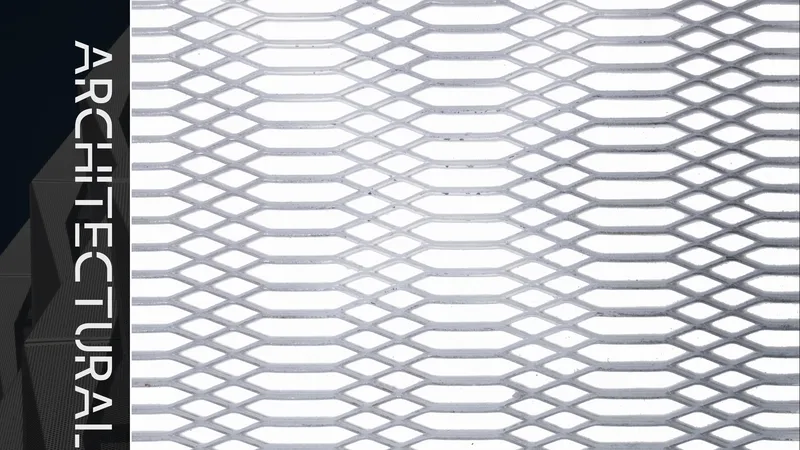
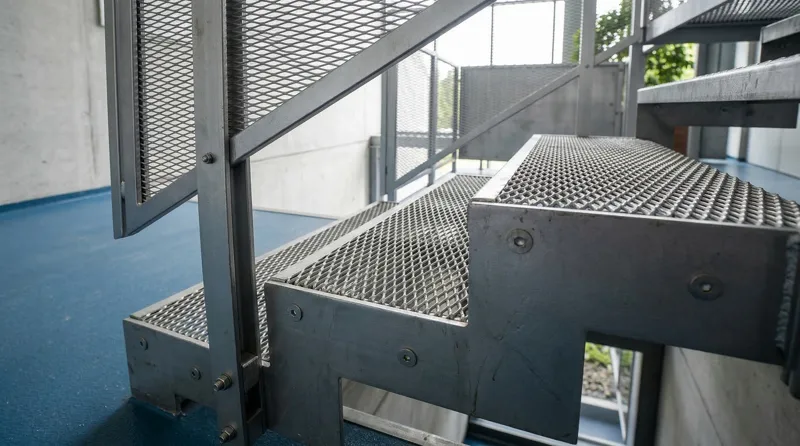
Do not assume that stainless automatically means decorative. A stainless walkway panel still needs load consideration. A stainless ventilation screen still needs open area. A stainless guard still needs edge control. The product family pages for standard expanded metal, flattened expanded metal, and architectural expanded metal can help frame the conversation.
Local availability versus correct processing
Stainless sheet is expensive enough that buying the wrong pattern hurts. Local availability is useful for a small repair, but larger stainless projects benefit from controlled fabrication. Cutting, leveling, welding, and deburring stainless require care. Tooling should be clean. Abrasives should be appropriate for stainless. If the panel will be framed, the weld procedure and post-fabrication cleaning may matter. If the panel will be visible, scratches and handling marks can be unacceptable.
Ask whether the supplier can cut to size without contaminating the edge, whether sheets are protected during packing, and whether the finish can be kept consistent across panels. The answer separates a seller of stainless sheet from a supplier of stainless expanded metal assemblies. For critical work, connect the inquiry to quality control and surface treatment expectations early.
Typical applications and grade logic
Food equipment guards, coastal balcony screens, chemical plant platforms, wastewater covers, machine enclosures, and architectural infill panels can all use stainless expanded metal. They do not all need the same grade. A dry indoor guard may work with 304. A seaside screen may justify 316. A high-temperature or specialty chemical environment may need a more detailed review. If the application has cleaning chemicals, ask about both chemical type and concentration. If it has salt, ask whether the salt is airborne, splashed, or immersed.
Expanded metal has open edges and exposed strands. That geometry can drain well, but it also creates many surfaces. The grade and finish must suit that exposure. A poor grade choice may look fine at installation and disappoint after one season. A correct grade may cost more at purchase and less over the life of the project.
Questions that reveal supplier competence
Ask these questions before accepting a local stainless quote: What grade is the base metal? Is a certificate available? Is the sheet raised or flattened? What are SWD, LWD, strand width, and thickness? How was the sheet stored? Can it be cut without carbon steel contamination? How will it be packed? Can panels be labeled by drawing number? Can the supplier support the same pattern later?
The answers should be specific. "It is stainless expanded metal" is not enough. A professional answer includes grade, pattern, sheet size, surface condition, tolerance, lead time, and packaging. If the project involves multiple panels, request a panel schedule and drawing review. If it is a one-sheet repair, at least confirm grade and pattern before pickup.
Cost and value
Stainless steel expanded metal costs more than carbon steel because the base material is more expensive and because handling can require more care. That does not mean it is always over-specified. In corrosive environments, stainless can reduce repainting, replacement, downtime, and safety risk. The cost discussion should compare life-cycle value, not only sheet price. If a panel sits in a place where replacement requires scaffolding, shutdown, or permit work, a higher-grade stainless option can be cheaper in practice.
The practical buying rule is simple: stainless steel expanded metal near me should be chosen by grade, exposure, mesh geometry, fabrication cleanliness, and delivery condition. Distance is helpful, but stainless performance is won or lost in the details.
Final recommendation
Use local search to find availability, then confirm the grade and fabrication route. If the job is small and the environment is mild, a nearby 304 stainless sheet may be enough. If the job is coastal, chemical, hygienic, visible, or repeated, involve a supplier that can control grade, pattern, cutting, packing, and documentation. Stainless should be bought as a system of material and process, not as a shiny version of ordinary mesh.
Additional buyer notes
Stainless sheets should be handled with clean slings, gloves, and separation from carbon steel debris. Surface contamination can create rust staining that looks like material failure.
For coastal projects, ask where the panel will sit relative to wind, splash, and cleaning chemicals. Chloride exposure is not the same in every coastal installation.
Stainless purchasing scenarios that deserve caution
A restaurant equipment shop may search locally because it needs a stainless guard quickly. If the guard sits indoors and sees mild cleaning, 304 stainless may be enough. The key is to confirm that the sheet is truly stainless, that the surface has not been contaminated by carbon steel dust, and that the edges can be made safe. A local sheet can solve the job if the application is understood.
A wastewater plant, coastal platform, or chemical washdown area is different. The environment may justify 316 stainless, careful fabrication, and documentation. Buying the nearest stainless mesh without checking grade can lead to staining, pitting, or premature replacement. In these cases, the buyer should ask about chlorides, cleaning chemicals, temperature, contact with dissimilar metals, and whether the panel can drain properly.
Stainless also changes fabrication behavior. Cutting tools, grinding wheels, and work tables should be managed to avoid contamination. Weld discoloration may need cleaning if the panel is visible or exposed. If the order includes frames, clips, or fasteners, those parts should be compatible with the stainless grade. A single carbon steel fastener in a wet location can create a localized corrosion issue.
The buying decision should therefore combine location with process discipline. A nearby stock sheet is valuable when the service condition is mild. A controlled manufacturer or stainless-capable fabricator is more valuable when the panel must survive an aggressive environment or pass a visual inspection. Stainless is purchased for performance over time, so the quote should describe that performance basis clearly.
Supplier evidence for stainless work
For a corrosion-sensitive order, confirm exposure before accepting a nearby stainless sheet. Record chloride contact, cleaning chemicals, temperature, drainage, visible surface requirements, grade, handling practice, and compatible fasteners. A sheet that looks clean at pickup can still fail early if grade, storage, or fabrication contamination is uncontrolled.
The central document should be a material certificate, handling note, cutting plan, and surface protection requirement. It does not need to be complex, but it must be specific. Include the words the supplier should repeat back in the quote. If the quote returns with different words, stop and clarify. This habit prevents a common expanded metal problem: the buyer thinks the supplier understood the requirement while the supplier quoted the nearest available mesh. Written alignment is cheaper than correcting a bundle after it arrives.
This matters in coastal screens, washdown guards, food-adjacent panels, and chemical plant covers. These applications may all use expanded metal, yet they place different value on open area, edge safety, corrosion resistance, appearance, stiffness, and delivery condition. A buyer who does not describe the operation forces the supplier to guess. A buyer who describes the operation gives the supplier a chance to recommend raised mesh, flattened mesh, heavy duty mesh, stainless steel, coating, or cut-to-size panels with a defensible reason.
The supplier should provide grade confirmation, storage photos, clean handling practice, and compatible fastener recommendations. Evidence does not need to slow the order. In many cases, a clear photo and a written line item are enough. For larger jobs, drawings, certificates, inspection photos, and packaging labels may be needed. The level of proof should match the level of risk. If a supplier refuses to provide basic evidence, the buyer should treat the quote as incomplete no matter how attractive the price looks.
The specific risk is that a nearby stainless sheet may have the wrong grade or carbon steel contamination even though it looks clean. This risk is easy to overlook because expanded metal looks familiar. Most people can recognize the diamond pattern, so they assume the details are interchangeable. They are not. Strand dimensions, diamond direction, material grade, finishing route, and edge condition can change how the panel behaves. A good supplier helps expose those details before purchase; a weak supplier leaves them for the buyer to discover later.
A stainless purchase should leave a clean trail: grade, exposure, surface condition, cutting method, packing, and compatible hardware. If any of those details are missing, the quote may describe a shiny sheet rather than a durable stainless solution. The record protects the first installation and the future replacement order.