Expanded Metal Price: How to Read a Quote Without Missing the Expensive Details
Expanded metal price looks simple on a quote line, but the important details are often in what the line includes or excludes. One supplier may quote raw sheets. Another may quote cut panels. A third may include galvanizing, bundle labels, and freight. If the buyer compares only the final number, the wrong quote can look attractive. A professional comparison separates the price into its components and checks whether each component matches the job.
This matters because expanded metal is used in very different applications. A decorative screen, a machine guard, a catwalk panel, and a stainless process cover do not carry the same requirements. The price should reflect material, geometry, finish, handling, and risk. A quote that does not name those items is incomplete.
The first question: price for what?
Ask whether the price is for raw sheet, finished sheet, cut-to-size panel, fabricated panel, or delivered project package. A raw sheet price usually excludes cutting, edge treatment, and installation preparation. A finished sheet price may include galvanizing or coating but not cutting. A project package may include drawings, inspection, labels, and freight. These are different products even if all are described as expanded metal.
A buyer should write the product form at the top of the comparison table. This prevents a raw material quote from being compared with a ready-to-install panel quote. If the project team wants the lowest installed cost, the table must include the labor and waste created by each option.
The geometry question
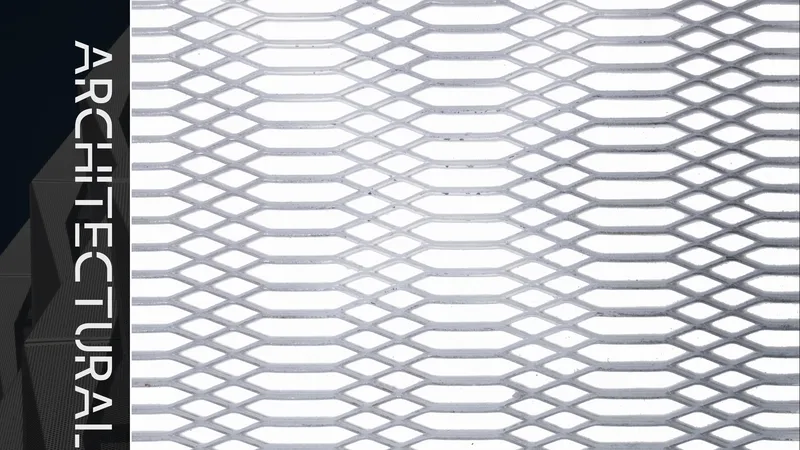
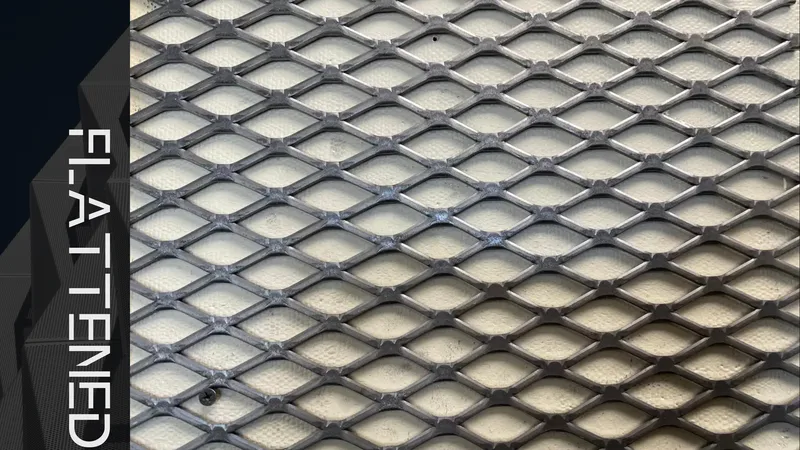
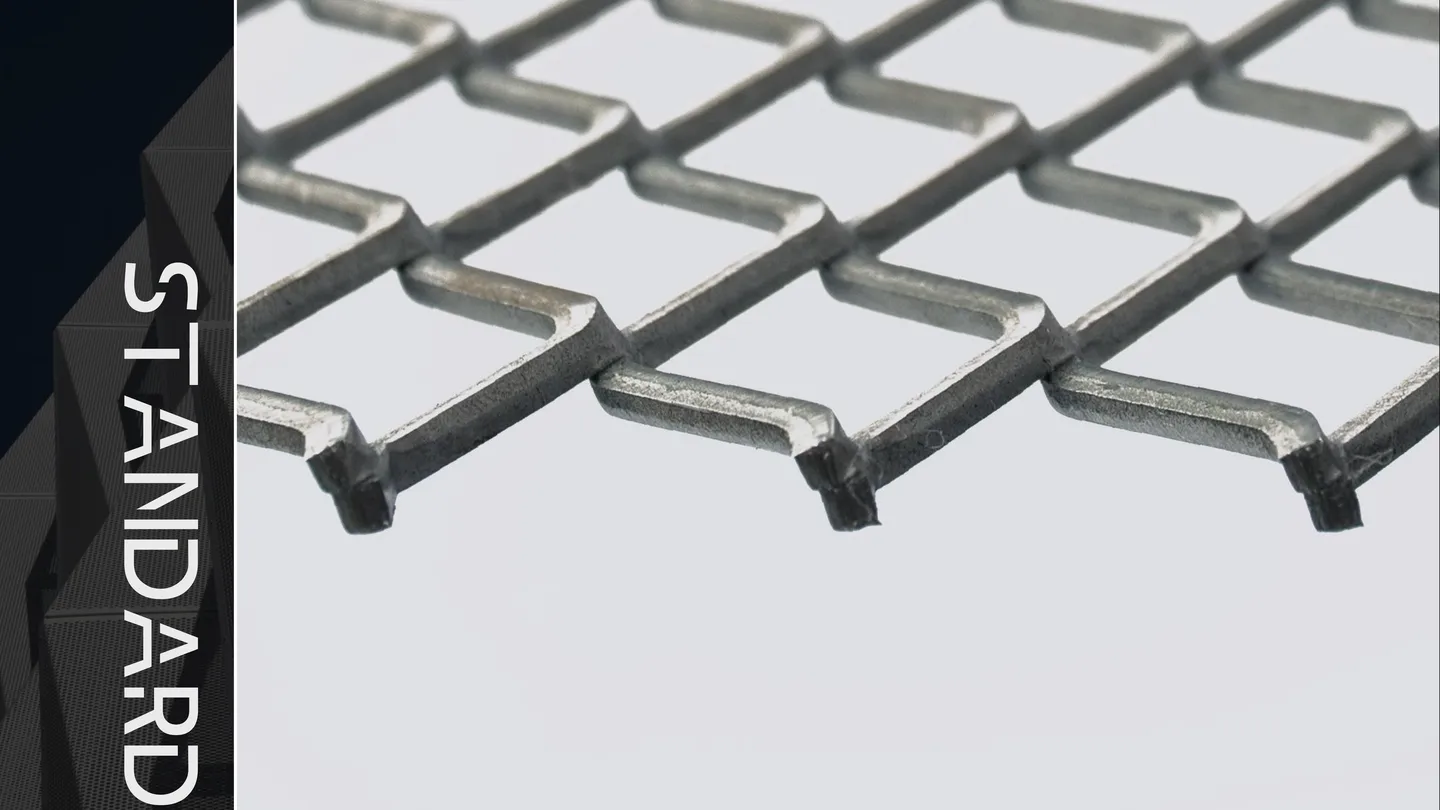
Expanded metal price changes with pattern. Larger strands and heavier gauges usually increase weight. Fine patterns may require more careful production. Flattening adds a rolling operation. Heavy duty mesh may need thicker base metal and more robust handling. Open area influences weight and performance. The quote should state the geometry clearly enough that another supplier can quote the same product.
If a quote does not include SWD, LWD, strand width, strand thickness, and raised or flattened condition, ask for clarification. Pattern names alone are not always enough across regions. A clear geometry description protects both buyer and seller.
The finish question
Finish can be a large price item. Bare steel, pre-galvanized steel, hot-dip galvanized after fabrication, powder coated steel, aluminum, and stainless steel all belong in different cost categories. The finish also changes lead time and packaging. A coated architectural panel needs more protection than a bare shop sheet. A galvanized heavy panel may require venting or drainage attention if framed.
Ask whether finishing is included, who performs it, and what inspection is provided. If the finish is critical, connect the quote to surface treatment and quality control expectations. A cheap finish that fails early is not a low price.
The cutting and edge question
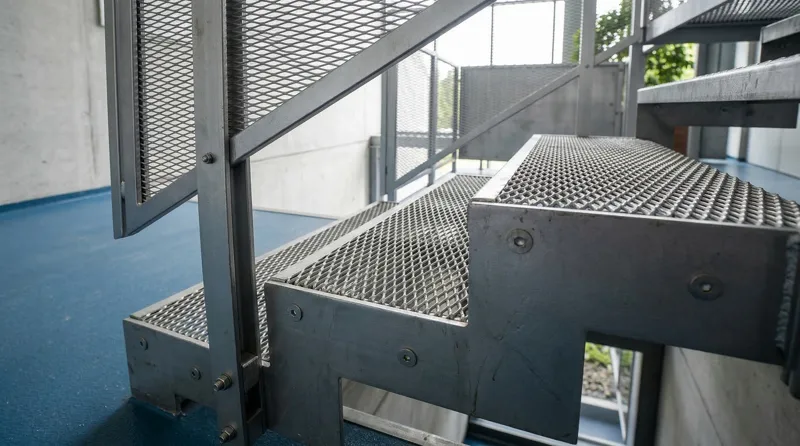
Expanded metal edges can be sharp, irregular, or visually inconsistent if cut without planning. Cutting to size, deburring, edging, welding frames, and drilling holes all add cost. They may also save cost downstream. The right question is whether the supplier or your shop is better positioned to perform that work. If your crew is busy or if field trimming is risky, buying cut panels may be the better value.
Ask whether the price includes edge trim, tolerance, squareness, and orientation control. For visible panels, ask how diamond alignment will be maintained. For guards, ask whether exposed edges need edging. For walkways, ask how edges are supported. These questions often reveal hidden cost before the order is placed.
The logistics question
Freight and packaging are common sources of surprise. Large sheets may exceed normal parcel handling. Heavy panels may require pallets and forklift access. Finished panels may need separators. Export shipments may need moisture protection and clear bundle labels. A price excluding logistics may look low but create receiving problems.
Ask for delivered terms when comparing suppliers in different locations. If pickup is required, include truck time, labor, straps, protection, and damage risk. If delivery is included, ask what happens if the site cannot unload. The packaging and logistics page is relevant whenever the order is more than a few sheets.
The documentation question
Some orders need certificates, inspection photos, coating records, or dimensional reports. Others do not. Documentation costs money because it takes time and control. It also prevents disputes. Decide before quoting whether documentation is required. If the buyer adds it later, the supplier may need to revise the price.
For public, industrial, or export projects, documentation is often worth the cost. For a shop fixture, it may be unnecessary. The price should reflect the actual risk profile of the order.
How to compare prices in a table
Create columns for material, pattern, sheet or panel size, raised or flattened condition, finish, cutting, edge work, quantity, packaging, freight, certificates, lead time, and payment terms. Then add a final column for assumptions. Quotes with many assumptions are risky. Quotes with clear inclusions are easier to approve. This table turns a vague expanded metal price into a buying decision.
The practical buying rule is simple: expanded metal price is driven by material grade, mesh geometry, sheet or panel size, finish, fabrication, packaging, freight, and documentation. Compare prices only after those items are aligned.
Final recommendation
Do not ask only "What is the expanded metal price?" Ask "What is included in this expanded metal price?" A complete quote protects the project from hidden cost. A lower incomplete quote may still be useful for a simple stock purchase, but engineered work deserves a price tied to specification, finish, handling, and delivery.
Additional buyer notes
A price without lead time is incomplete. A cheap quote that misses the installation window can become the most expensive option.
Ask suppliers to identify exclusions. Exclusions are not bad; hidden exclusions are the problem.
Price review workflow for buyers
A disciplined price review starts by highlighting every assumption in the quote. If the quote says material only, mark fabrication as excluded. If it says ex works, mark freight as excluded. If it says galvanized, ask whether galvanizing occurs before or after fabrication. If it says standard tolerance, ask what standard means. Assumptions are manageable when visible and dangerous when hidden.
Next, convert each quote into the same delivery point. A local pickup price should include truck time, loading, unloading, and damage risk. A delivered price should include receiving requirements. A project-panel price should be compared with the raw sheet price plus your own shop labor. Only then does the buyer know which number is lower in practice.
Then check schedule. A low price that arrives after the installation window can create overtime, expedited freight, or project penalties. Lead time should sit beside price in the comparison table. If a supplier offers a fast lead time, ask whether the material is already in stock or whether production capacity is reserved.
Finally, review claim responsibility. If panels arrive damaged, who handles the claim? If the pattern is wrong, what record proves the agreed specification? A complete quote reduces argument because it defines the product and the delivery condition. A vague quote can turn a price saving into a dispute.
This workflow is simple enough for a one-sheet purchase and strong enough for a project package. It makes expanded metal price a decision rather than a guess.
A quote audit before approval
For a buyer preparing a purchase recommendation, review each quote against the work it includes. A usable quote should show what is supplied, what is cut, what is finished, what is packed, what is certified, and what remains for the buyer or fabricator. The price number is meaningful only after that scope is clear.
The central document should be a quote audit sheet listing inclusions, exclusions, delivery point, lead time, and technical assumptions. It does not need to be complex, but it must be specific. Include the words the supplier should repeat back in the quote. If the quote returns with different words, stop and clarify. This habit prevents a common expanded metal problem: the buyer thinks the supplier understood the requirement while the supplier quoted the nearest available mesh. Written alignment is cheaper than correcting a bundle after it arrives.
This matters in stock purchases, cut panel orders, coated mesh, and multi-bundle project shipments. These applications may all use expanded metal, yet they place different value on open area, edge safety, corrosion resistance, appearance, stiffness, and delivery condition. A buyer who does not describe the operation forces the supplier to guess. A buyer who describes the operation gives the supplier a chance to recommend raised mesh, flattened mesh, heavy duty mesh, stainless steel, coating, or cut-to-size panels with a defensible reason.
The supplier should provide supplier answers to exclusion questions, freight terms, product geometry, finish route, and claim process. Evidence does not need to slow the order. In many cases, a clear photo and a written line item are enough. For larger jobs, drawings, certificates, inspection photos, and packaging labels may be needed. The level of proof should match the level of risk. If a supplier refuses to provide basic evidence, the buyer should treat the quote as incomplete no matter how attractive the price looks.
The specific risk is that the lowest price may exclude the services that make the material usable at installation. This risk is easy to overlook because expanded metal looks familiar. Most people can recognize the diamond pattern, so they assume the details are interchangeable. They are not. Strand dimensions, diamond direction, material grade, finishing route, and edge condition can change how the panel behaves. A good supplier helps expose those details before purchase; a weak supplier leaves them for the buyer to discover later.
Before approval, read the quote as a scope document instead of a single price. If the included work, finish, packing, certificates, freight, and exclusions are not obvious, ask for revision. A clean quote reduces disputes and makes repeat buying more reliable.
Final specification check
Before the purchase is closed, read the product description aloud as if the receiving team, installer, and future reordering buyer were in the room. If any person would still need to ask what material, finish, pattern, size, orientation, or delivery condition is intended, the description is not complete. This final check is quick, but it catches many expensive gaps. It also creates a clean internal record because the requirement is explained in practical purchasing language rather than left as a loose keyword. Clear purchasing language keeps the next decision faster and safer.