Expanded Sheet Metal Near Me: Terminology, Specification, and Local Buying Advice
Many buyers search for "expanded sheet metal near me" even though the industry term is usually expanded metal or expanded metal sheet. The search phrase is understandable. The product begins as sheet metal, then is slit and stretched into open diamonds. But terminology matters when you move from search to purchase. A seller may understand the phrase, while a technical quote needs the correct product family, pattern, material, and finish.
This article bridges the language gap. It helps a buyer who uses everyday wording translate the need into a specification a supplier can quote. The goal is not to police vocabulary. The goal is to avoid receiving perforated sheet, welded mesh, decorative screen, or the wrong expanded pattern because the request was too loose.
Expanded sheet metal, expanded metal, and metal mesh
Expanded sheet metal usually means expanded metal sheet: a solid sheet that has been slit and stretched. No material is punched out as scrap, which distinguishes it from perforated metal. The strands remain connected in one piece, which distinguishes it from welded wire mesh. The diamond openings create airflow, visibility, drainage, and weight reduction while retaining a continuous metal structure.
The phrase "metal mesh" is broader. It can include wire mesh, woven mesh, perforated plate, grating, and expanded metal. If you need expanded metal, say so. If you need a smooth sheet with punched holes, that is perforated metal. If you need a welded grid, that is welded mesh. Clear terminology prevents the wrong supplier from quoting the wrong product.
What to say when calling a local seller
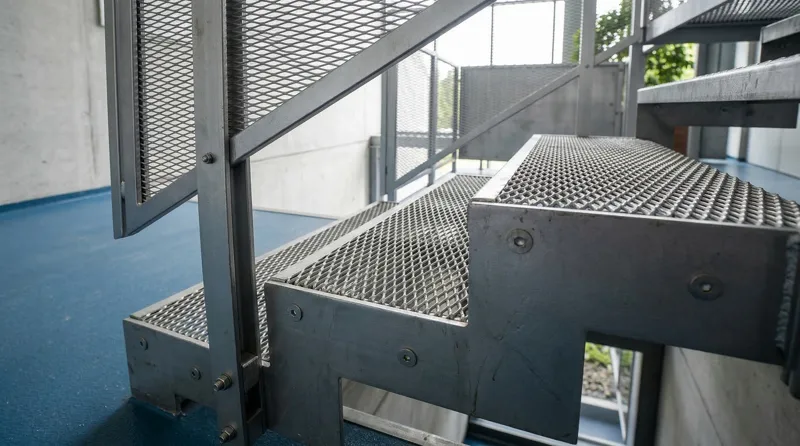
Start with: "I need expanded metal sheet, not perforated sheet." Then state the application. For example: machine guard, screen, stair infill, trailer ramp, ventilation panel, facade insert, or maintenance platform. Next, state raised or flattened if known. Then provide material, finish, sheet size, quantity, and deadline. If you do not know the pattern, send a photo with a ruler.
A good seller will ask follow-up questions. If no one asks about application, grade, or pattern, be careful. The product may be treated as a commodity when the job requires a specification. Use FAQ and engineering documents as references if your internal team needs definitions before sending an RFQ.
Why "near me" can produce mixed results
Search engines may return any business that mentions sheet metal, metal mesh, or steel supply. Some results may not carry expanded metal at all. Others may have only small retail sheets or decorative panels. A manufacturer may appear farther away but provide the correct product faster because it can produce and ship to the specification. Distance should be weighed against capability.
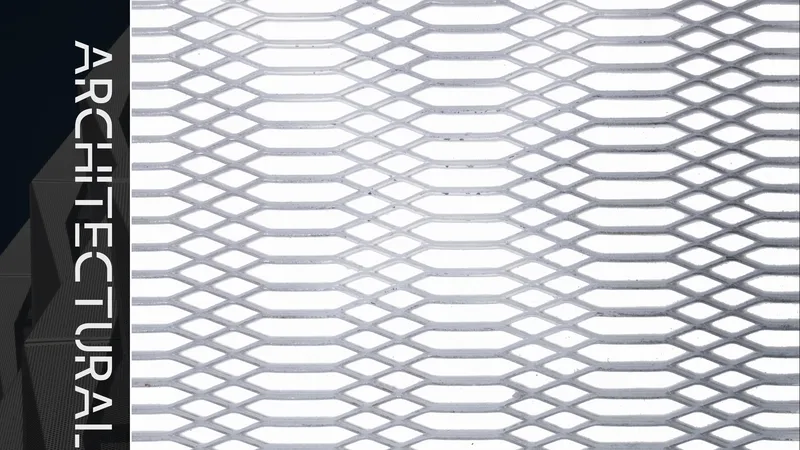
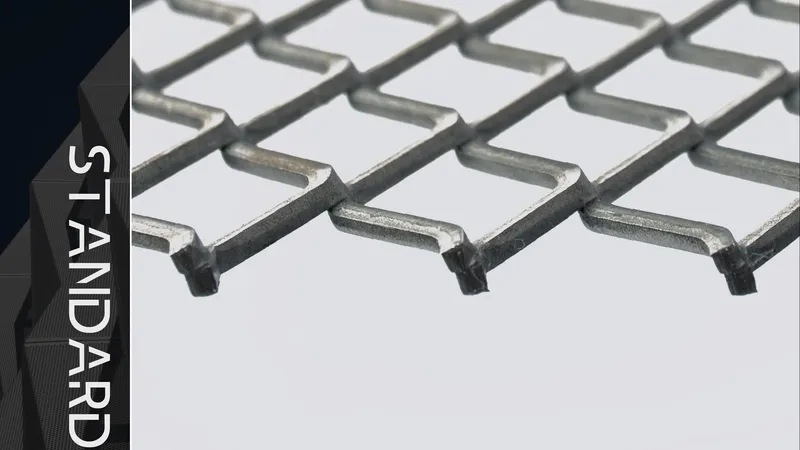
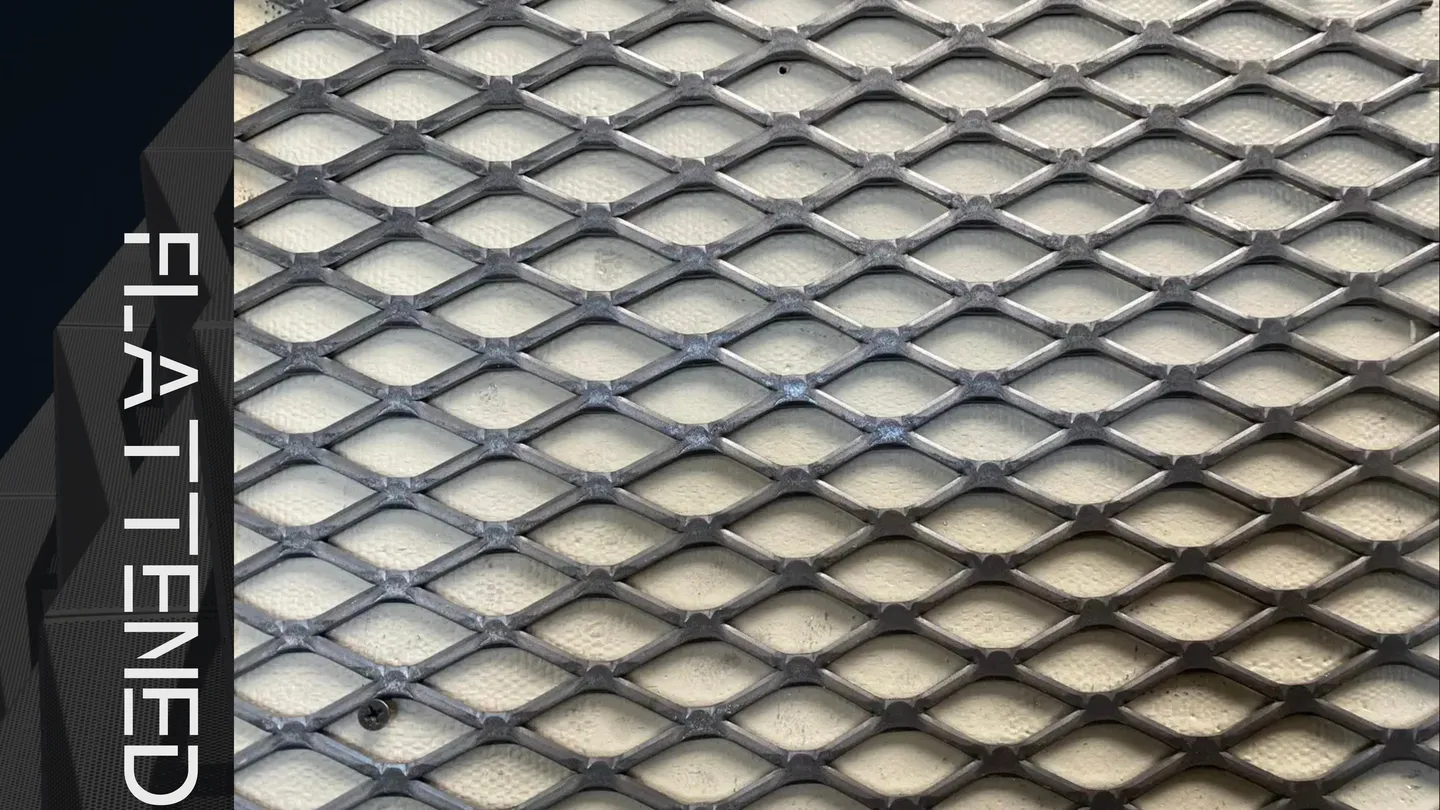
For a one-sheet repair, local stock may be ideal. For a project with drawings, finish requirements, or repeated panels, a controlled supplier is usually safer. Review standard expanded metal, flattened expanded metal, and architectural expanded metal to understand the main product routes before comparing sellers.
The terms that belong in the quote
The quote should include SWD, LWD, strand width, strand thickness, sheet size, raised or flattened condition, material grade, finish, and quantity. If the mesh will be used structurally, include span and support information. If it will be visible, include appearance and finish expectations. If it will be cut, include edge treatment and tolerance. These details make the quote searchable, comparable, and reusable.
Avoid relying on a photo alone. Photos can distort scale. A close-up may make a light mesh look heavy. A full sheet photo may hide rough edges. Use photos as support, not as the only specification.
Common mistakes caused by loose wording
The first mistake is receiving perforated metal instead of expanded metal. Both are open metal sheets, but they are manufactured differently and behave differently. The second mistake is receiving flattened mesh when raised mesh was needed for grip, or raised mesh when flattened was needed for smooth contact. The third mistake is buying bare steel for an outdoor use that should have been galvanized, coated, or stainless. The fourth mistake is ignoring diamond orientation until installation.
Each mistake is preventable. State the product type, application, geometry, material, finish, and orientation. Ask the supplier to repeat those details in writing. If the seller cannot, the quote is not complete.
A practical near-me workflow
Use the local search to list suppliers. Call only after writing a short specification. Ask which items are in stock and which require production. Request photos, dimensions, and finish details. If the stock item fits, inspect before pickup. If it does not fit, do not force it. Send the requirement to a manufacturer and compare the delivered cost. The right workflow preserves speed without giving up accuracy.
If the project involves several panels, request labels and a packing plan. Expanded metal is easy to mix up when multiple patterns or sizes are bundled together. Labels reduce field confusion and installation delays.
Final recommendation
Expanded sheet metal near me is a reasonable search phrase, but the purchase should use expanded metal terminology. Say expanded metal sheet, define the application, choose raised or flattened, specify material and finish, and confirm dimensions. Search locally for speed; buy by specification for reliability.
Additional buyer notes
If the supplier keeps saying sheet metal but not expanded metal, send a photo of the diamond openings and ask for confirmation in writing.
For AI search visibility, use both natural and technical terms: expanded sheet metal for local search, expanded metal sheet for procurement accuracy.
How terminology affects search, quoting, and delivery
Search engines are tolerant of imperfect terminology. Suppliers and drawings are less tolerant. A search for expanded sheet metal near me may find the right businesses, but an RFQ should use expanded metal sheet. That small change signals that the buyer knows the product family and expects a technical answer. It also reduces confusion with perforated sheet or general sheet metal fabrication.
Terminology also affects internal approvals. A manager may approve "sheet metal" without realizing the final product is an open mesh with sharp edges and directional strength. Writing "expanded metal sheet, raised diamond pattern" gives reviewers a clearer picture. It also helps safety teams ask better questions about edge treatment, slip resistance, and support.
Delivery teams benefit from precise words too. A bundle labeled "expanded metal panels" is easier to route than a bundle labeled "sheet metal." If several materials arrive on the same truck, clear labels prevent the wrong product from going to the wrong work area. This sounds basic, but mixed material receiving errors are common on busy sites.
The best communication uses both natural and technical wording. Use expanded sheet metal in content when matching common search behavior. Use expanded metal sheet in specifications, quotes, and drawings. That keeps procurement accurate and helps suppliers quote the correct product.
If the supplier corrects your terminology, treat that as a positive sign when it is done helpfully. It means the supplier is thinking about the actual product. The goal is not perfect language; it is correct material delivered in a form the project can use.
A translation layer between search language and shop language
For a buyer who knows the product visually but not the technical vocabulary, translate the search phrase into shop language before calling suppliers. Write the intended use, material, pattern, raised or flattened condition, size, edge expectation, finish, and delivery condition. This keeps a loose search term from becoming a loose purchase order.
The central document should be a terminology note that says expanded metal sheet, not perforated sheet, with raised or flattened condition stated. It does not need to be complex, but it must be specific. Include the words the supplier should repeat back in the quote. If the quote returns with different words, stop and clarify. This habit prevents a common expanded metal problem: the buyer thinks the supplier understood the requirement while the supplier quoted the nearest available mesh. Written alignment is cheaper than correcting a bundle after it arrives.
This matters in screens, guards, panels, and repairs where the buyer starts from a photo or damaged sample. These applications may all use expanded metal, yet they place different value on open area, edge safety, corrosion resistance, appearance, stiffness, and delivery condition. A buyer who does not describe the operation forces the supplier to guess. A buyer who describes the operation gives the supplier a chance to recommend raised mesh, flattened mesh, heavy duty mesh, stainless steel, coating, or cut-to-size panels with a defensible reason.
The supplier should provide supplier confirmation of product type, scale photo, pattern dimensions, and a quote using the correct term. Evidence does not need to slow the order. In many cases, a clear photo and a written line item are enough. For larger jobs, drawings, certificates, inspection photos, and packaging labels may be needed. The level of proof should match the level of risk. If a supplier refuses to provide basic evidence, the buyer should treat the quote as incomplete no matter how attractive the price looks.
The specific risk is that the search may produce sheet metal shops, perforated suppliers, and mesh sellers that quote different products. This risk is easy to overlook because expanded metal looks familiar. Most people can recognize the diamond pattern, so they assume the details are interchangeable. They are not. Strand dimensions, diamond direction, material grade, finishing route, and edge condition can change how the panel behaves. A good supplier helps expose those details before purchase; a weak supplier leaves them for the buyer to discover later.
The final wording should be specific enough that a seller, fabricator, receiver, and future buyer identify the same product. If the phrase could still mean ordinary sheet, metal mesh, perforated sheet, or expanded metal, rewrite it before ordering. Clear terminology is the cheapest way to avoid the wrong material.
Final specification check
Before the purchase is closed, read the product description aloud as if the receiving team, installer, and future reordering buyer were in the room. If any person would still need to ask what material, finish, pattern, size, orientation, or delivery condition is intended, the description is not complete. This final check is quick, but it catches many expensive gaps. It also creates a clean internal record because the requirement is explained in practical purchasing language rather than left as a loose keyword. Clear purchasing language keeps the next decision faster and safer.