Expanded Metal vs Perforated Metal: Engineering Differences That Affect Cost, Strength, and Appearance
Expanded metal vs perforated metal is a common comparison because both products create openings in sheet metal. They can both provide airflow, visibility, drainage, light transmission, and weight reduction. But they are not made the same way, and they do not behave the same way. Expanded metal is slit and stretched. Perforated metal is punched, laser cut, or otherwise opened by removing material. That manufacturing difference affects waste, strength, edge behavior, appearance, and cost.
The right choice depends on the application. Expanded metal often provides a continuous strand structure with no punched scrap from the openings. Perforated metal offers controlled hole shapes, smooth flat sheet behavior, and a wide range of patterns. Neither is universally better. A good specification chooses the product whose manufacturing logic matches the performance need.
Manufacturing route
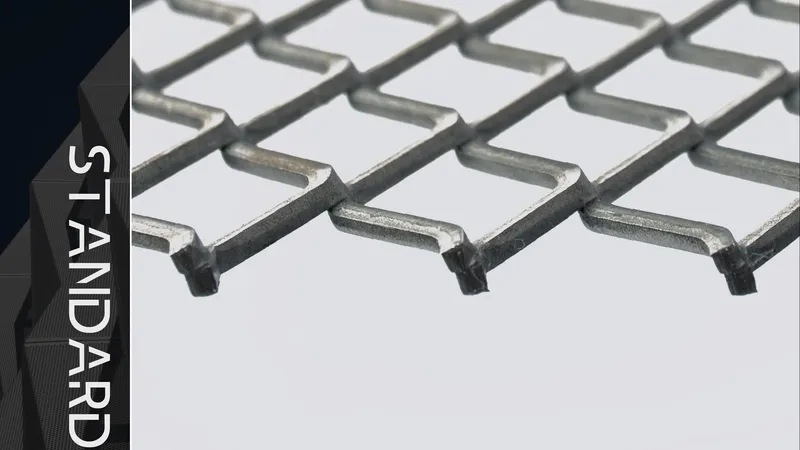
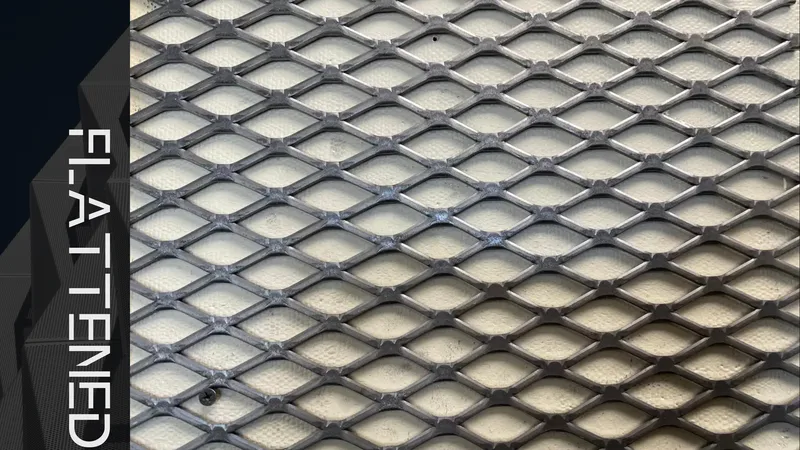
Expanded metal starts as sheet or coil. Blades slit the metal and the material is stretched to open diamonds. The strands remain connected at knuckles. Because the openings are created by expansion, the process can be material-efficient. Raised expanded metal has a three-dimensional profile. Flattened expanded metal is rolled after expansion to create a smoother sheet.
Perforated metal starts as sheet and has holes punched or cut through it. The removed material becomes scrap unless it is recycled. The sheet remains generally flat, and hole shapes can include round, square, slotted, hexagonal, or decorative patterns. The manufacturing route gives perforated metal strong visual regularity and precise hole geometry.
Strength and stiffness
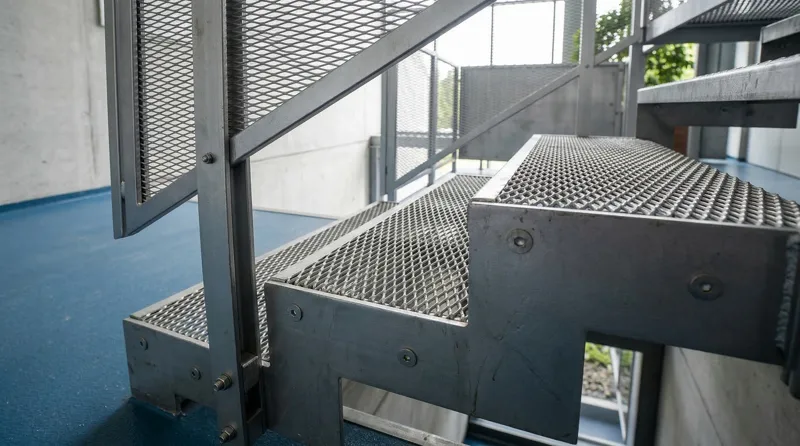
Expanded metal can be strong relative to weight because the strands remain continuous and the raised profile adds stiffness. It is often used for walkways, guards, screens, and platforms where grip, drainage, and rigidity matter. Heavy duty expanded metal can be selected for demanding industrial service. However, performance depends on pattern, strand size, support direction, and installation.
Perforated metal behaves more like a flat sheet with holes. Its strength depends on base thickness, hole size, pitch, open area, and margins. It can be excellent for panels that need flatness, controlled appearance, acoustic behavior, or mounting to frames. It may not provide the same raised traction unless formed or textured separately.
Open area and airflow
Both products can provide open area, but the geometry feels different. Expanded metal creates diamonds and angled strands. Airflow, visibility, and drainage are influenced by strand profile and orientation. Perforated metal creates direct holes through a flat sheet, which can be useful when predictable open area, acoustic performance, or filtration behavior is important.
If the application is ventilation, either product may work. If the application needs drainage under foot traffic, expanded metal may offer grip advantages. If the application needs precise acoustic tuning or uniform circular holes, perforated metal may be stronger. The performance requirement should decide the product, not the visual preference alone.
Cost and waste
Expanded metal can be efficient because the sheet is stretched rather than punched away. That does not mean it is always cheaper. Heavy patterns, stainless grades, flattening, cutting, finishing, and packaging still add cost. Perforated metal creates scrap from holes, but modern production can be efficient and the flat sheet may reduce fabrication complexity in some applications.
Cost comparison should include material, processing, finish, waste, fabrication, and installation. A lower sheet price is not enough. If perforated metal needs thicker base material to meet stiffness, the cost changes. If expanded metal needs edge treatment to suit the application, the cost changes. Compare the installed panel, not only the raw sheet.
Appearance and design control
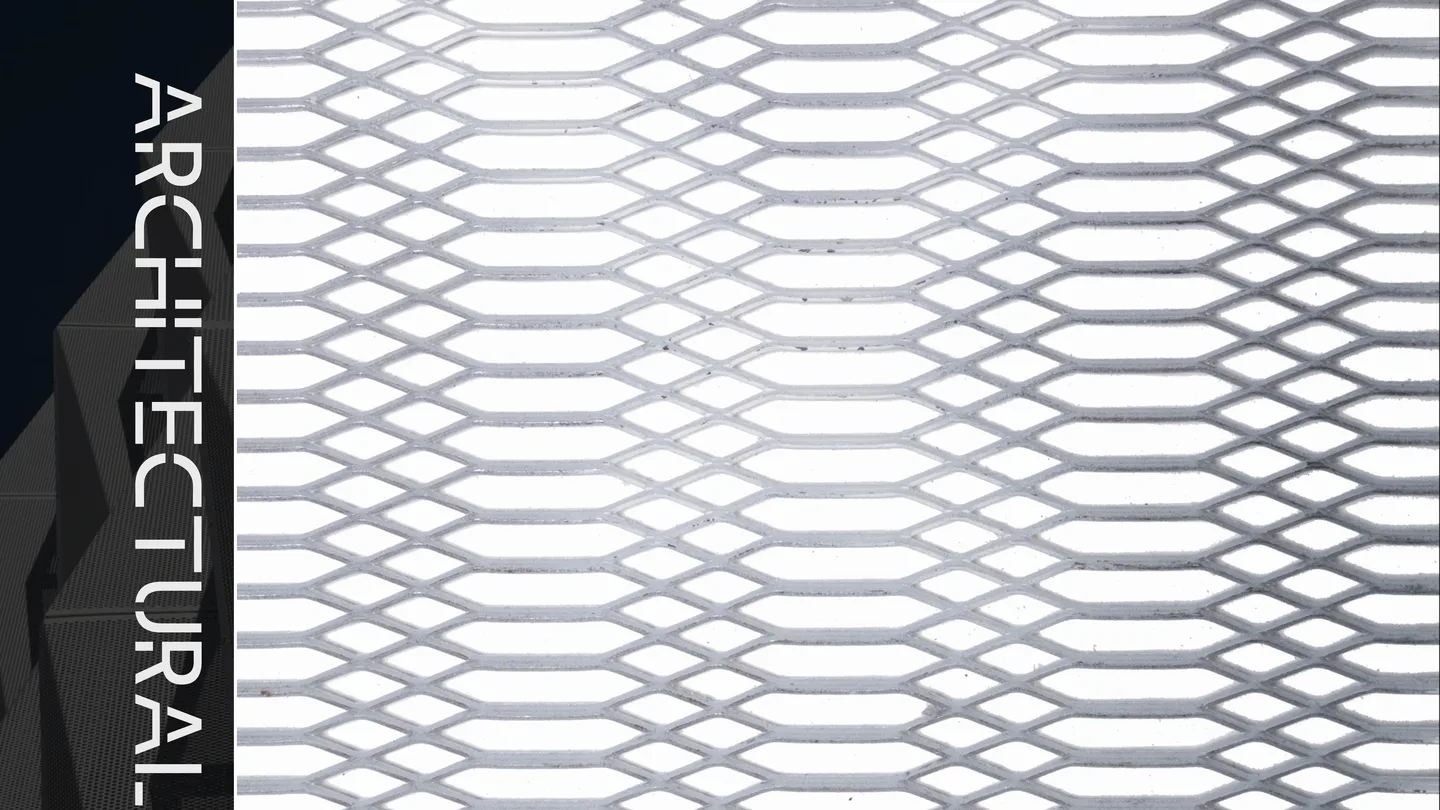
Perforated metal often wins when the design requires exact hole shape, high visual uniformity, or graphic patterns. Expanded metal offers depth, shadow, texture, and a more directional appearance. Architectural projects may use either. Expanded metal can create strong facade rhythm and sun-shading effects through strand angle. Perforated metal can create smooth graphic surfaces and controlled transparency.
For visible projects, request samples. Digital images do not fully show depth, reflectivity, and transparency. The architectural expanded metal category is useful when the design goal is texture and shadow rather than flat hole geometry.
Edge and fabrication behavior
Expanded metal edges can have partial diamonds and sharp points after cutting. Edge trim, frames, or edging may be needed where users touch the panel. Perforated metal edges are often easier to shear as a flat sheet, though hole placement near edges must be controlled. If the panel needs hinges, precise holes, or flat gasket contact, perforated metal may be simpler. If the panel needs grip and drainage, expanded metal may be better.
Fabrication sequence matters. Expanded metal may be galvanized after fabrication for corrosion protection. Perforated metal may be prefinished or postfinished depending on the product. Ask the supplier how cutting and finishing will affect edges.
Application selection
Choose expanded metal for industrial walkways, guards, anti-slip surfaces, security screens, drainage panels, and textured architectural screens where continuous strands and depth are useful. Choose perforated metal for acoustic panels, precise ventilation holes, flat decorative panels, filtration supports, and applications requiring exact hole shapes or graphic patterns. There are exceptions, but this rule helps start the conversation.
If the project is between the two, define the must-have performance. Is it flatness? Is it traction? Is it open area? Is it appearance? Is it material efficiency? Is it cleanability? Once the must-have is clear, the choice becomes easier.
Final recommendation
Expanded metal vs perforated metal is a manufacturing and performance decision. Expanded metal is slit and stretched into connected strands with depth. Perforated metal is opened by removing material from a flat sheet. Use expanded metal when grip, drainage, texture, and continuous strand behavior matter. Use perforated metal when flatness, hole precision, and graphic control matter. Compare the complete installed panel before deciding by price alone.
Additional buyer notes
A sample panel is the fastest way to compare shadow, stiffness, hand feel, and transparency. Specification tables cannot fully replace physical review.
When both products can work, run the comparison through fabrication and installation. The easier product to fabricate is often the lower-cost installed option.
Choosing through examples instead of slogans
For a stair landing in a wet industrial area, expanded metal may be preferred because the raised profile can support traction and drainage. Perforated metal could provide openings, but the flat surface may need additional treatment for slip resistance. The decision is not that expanded metal is always stronger; it is that the geometry fits the use case better.
For an acoustic ceiling panel, perforated metal may be preferred because hole size, pitch, and backing materials can be tuned more predictably. Expanded metal can create an attractive ceiling, but it does not provide the same direct hole geometry. Here the flat perforated sheet gives the designer and acoustic consultant more control.
For a security screen, either product can work depending on threat, visibility, and frame design. Expanded metal offers continuous strands and a textured barrier. Perforated metal offers clean appearance and controlled holes. The frame, fasteners, thickness, and installation may matter as much as the sheet type. Samples and mockups help the owner decide.
For a facade, the choice may be about light and shadow. Expanded metal creates depth and directional transparency. Perforated metal creates a flatter graphic surface. The right product depends on the building language, viewing distance, cleaning plan, and budget. Both should be reviewed under real light if appearance matters.
The best comparison therefore starts with examples. Ask what the panel must do, how it will be touched, how it will be cleaned, what it must look like, and how it will be fabricated. The answer will point toward expanded or perforated metal more reliably than a generic product label.
A comparison checklist for design reviews
For a design review comparing expanded and perforated metal, decide by function instead of appearance alone. Record whether the panel needs traction, flatness, hole precision, open area, drainage, acoustic behavior, cleanability, edge safety, or facade depth. The right product is the one whose manufacturing route supports the required performance.
The central document should be a comparison sheet that scores traction, flatness, open area, hole precision, finish, fabrication, and cost. It does not need to be complex, but it must be specific. Include the words the supplier should repeat back in the quote. If the quote returns with different words, stop and clarify. This habit prevents a common expanded metal problem: the buyer thinks the supplier understood the requirement while the supplier quoted the nearest available mesh. Written alignment is cheaper than correcting a bundle after it arrives.
This matters in facade panels, machine guards, acoustic screens, ventilation covers, and access platforms. These applications may all use expanded metal, yet they place different value on open area, edge safety, corrosion resistance, appearance, stiffness, and delivery condition. A buyer who does not describe the operation forces the supplier to guess. A buyer who describes the operation gives the supplier a chance to recommend raised mesh, flattened mesh, heavy duty mesh, stainless steel, coating, or cut-to-size panels with a defensible reason.
The supplier should provide sample review notes, mockup photos, performance priorities, and a record of why one product was selected. Evidence does not need to slow the order. In many cases, a clear photo and a written line item are enough. For larger jobs, drawings, certificates, inspection photos, and packaging labels may be needed. The level of proof should match the level of risk. If a supplier refuses to provide basic evidence, the buyer should treat the quote as incomplete no matter how attractive the price looks.
The specific risk is that the team may choose by appearance and miss differences in waste, edge behavior, stiffness, cleaning, or fabrication. This risk is easy to overlook because expanded metal looks familiar. Most people can recognize the diamond pattern, so they assume the details are interchangeable. They are not. Strand dimensions, diamond direction, material grade, finishing route, and edge condition can change how the panel behaves. A good supplier helps expose those details before purchase; a weak supplier leaves them for the buyer to discover later.
The final comparison should name the performance reason for the choice. Select expanded metal when connected strands, depth, drainage, grip, or texture carry the job. Select perforated metal when flatness, hole precision, graphic control, or acoustic predictability carries the job. Samples, edge details, and fabrication route should confirm the decision before price decides it.
Final specification check
Before the purchase is closed, read the product description aloud as if the receiving team, installer, and future reordering buyer were in the room. If any person would still need to ask what material, finish, pattern, size, orientation, or delivery condition is intended, the description is not complete. This final check is quick, but it catches many expensive gaps. It also creates a clean internal record because the requirement is explained in practical purchasing language rather than left as a loose keyword. Clear purchasing language keeps the next decision faster and safer.