Expanded Metal Mesh Prices: What Actually Moves the Quote Up or Down
Expanded metal mesh prices are often discussed as if there is a single market number. In practice, the price is a combination of base metal, geometry, processing, finishing, packaging, and risk. The same outside sheet size can be light and inexpensive or heavy and costly. A quote can look high because it includes cutting, galvanizing, labeling, and export packing. Another quote can look low because it leaves those items out. Buyers need to know what moves the number before comparing suppliers.
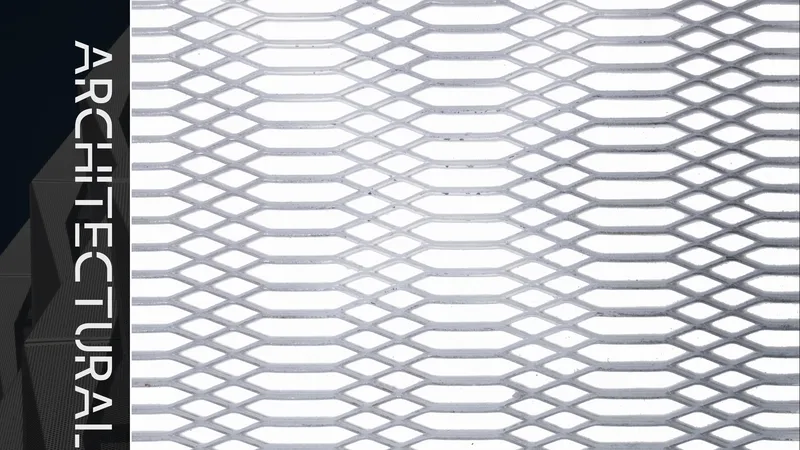
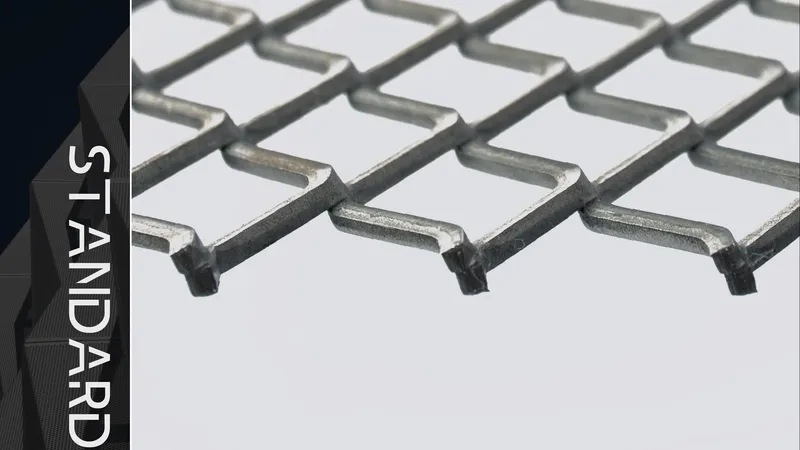
Expanded metal is made by slitting and stretching sheet or coil. That process creates open diamonds without welding. The amount of metal left in each strand, the degree of expansion, and the finishing route all affect cost. When a buyer asks only for "mesh price," the supplier must either guess or quote a broad range. When the buyer provides a proper specification, the price becomes clearer and easier to defend internally.
Base metal is the first price driver
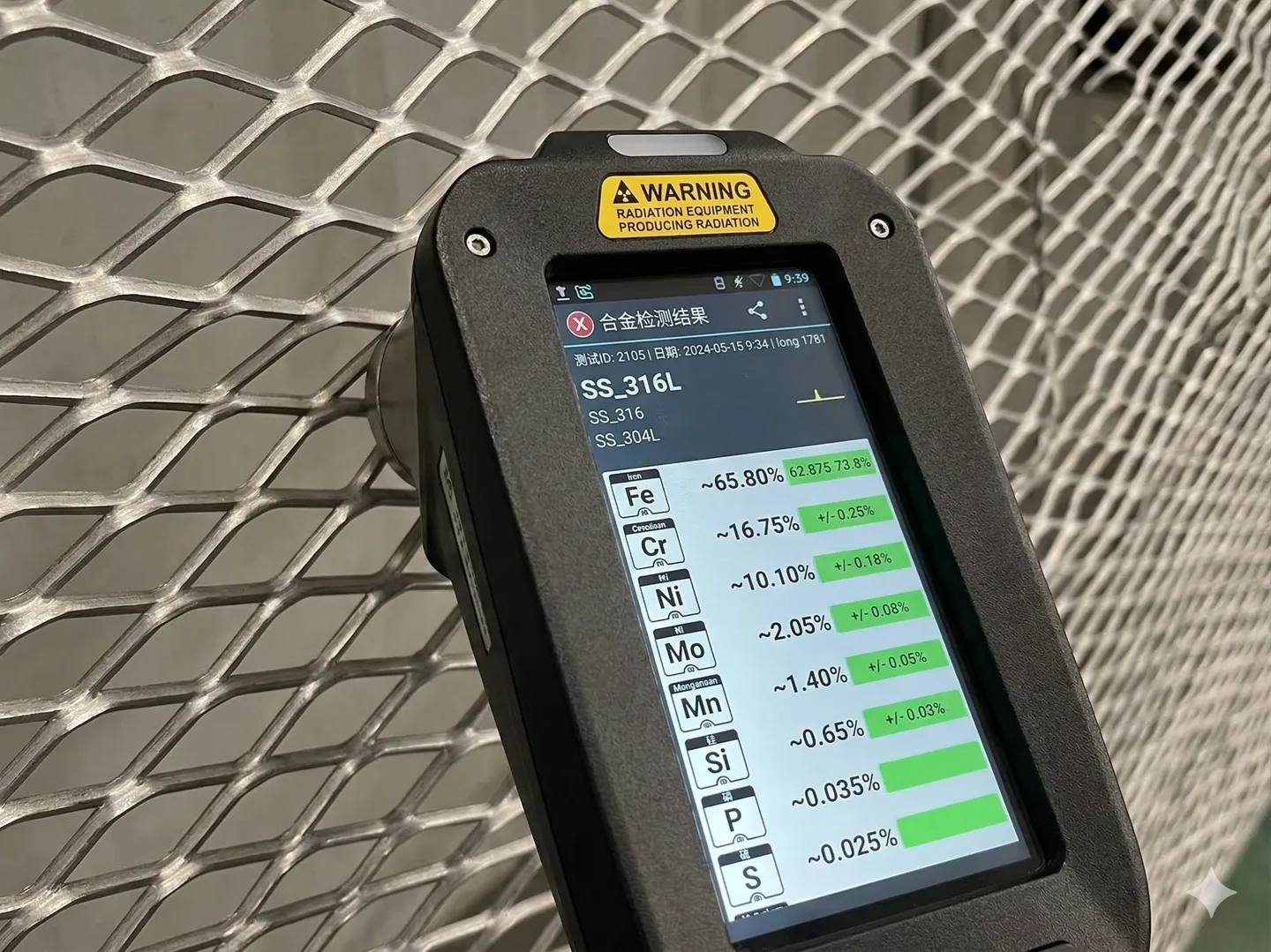
Carbon steel, galvanized steel, stainless steel, aluminum, and specialty alloys do not share the same cost base. Carbon steel is usually the most economical for industrial work. Stainless steel costs more but may lower life-cycle cost in corrosive settings. Aluminum reduces weight but has different strength and fabrication behavior. The grade also matters. 316 stainless is normally more expensive than 304, and higher-strength carbon steel may differ from mild steel.
Market movement in raw material affects expanded metal mesh prices, but it is not the only driver. Two suppliers buying similar steel can still quote different numbers because their tooling, yield, finish, labor, and packing methods differ. That is why material grade should be stated in the RFQ, not assumed.
Geometry changes weight and throughput
Mesh geometry strongly affects price. A heavy pattern with thick strands uses more metal per square meter. A fine pattern may require tighter tooling control and slower production. Open area influences both weight and performance. Higher open area can reduce weight, but it may also affect rigidity and edge behavior. The relationship is not always linear, so the supplier should quote from the actual pattern.
SWD, LWD, strand width, strand thickness, and overall thickness should be listed together. If the buyer specifies only sheet size, suppliers may quote different patterns while appearing to answer the same request. That is the most common reason price comparisons become confusing. Use standard expanded metal and heavy duty expanded metal categories to frame the expected geometry before requesting prices.
Finishing can be a major part of the price
Finish selection can change the quote significantly. Bare carbon steel is simpler. Hot-dip galvanizing adds preparation, bath processing, drainage planning, and post-finish inspection. Powder coating adds cleaning, coating, curing, color control, and packaging care. Stainless may need pickling, passivation, or protected handling. Architectural finishes require more attention to surface uniformity and visible defects.
A finish should be chosen for service environment and appearance, not simply for price. Outdoor industrial panels may justify galvanizing. Coastal or chemical work may justify stainless. Visible facade screens may require coating consistency. The surface treatment page is a useful internal link when teams need to connect price to durability.
Sheet size, cutting, and yield
Standard sheet sizes can be economical when they fit the cut plan. Custom sizes can be economical when they reduce waste. The right answer depends on the panel schedule. Cutting expanded metal is not the same as cutting solid plate because diamond alignment, edge points, and panel squareness matter. If the supplier trims edges, deburrs, frames, or labels panels, those services should appear in the quote.
Do not compare a raw sheet price with a cut-to-size panel price without adding shop labor to the raw sheet. A manufacturer may quote a higher unit price but reduce waste, reduce shop time, and improve installation. Price should be evaluated at the installed panel level when the project is more than simple stock material.
Tolerance, inspection, and documentation
Projects with strict tolerance or documentation needs cost more because they require control. Material certificates, dimensional reports, coating records, first-article inspection, and bundle traceability add work. They also reduce risk. A safety platform, export order, or regulated facility may need that paperwork. A temporary shop screen may not.
The buyer should decide which documentation is necessary before asking for prices. If documentation is added after the quote, the price and lead time may change. The quality control and standards and compliance pages provide the vocabulary for this part of the conversation.
Packaging and freight are not small details
Expanded metal sheets can scratch, rub, bend, and trap moisture if packed poorly. Long sheets need support. Finished panels need separation. Export bundles need moisture control and clear labels. Freight cost depends on bundle dimensions, weight, route, and handling. A quote that excludes packing may look attractive until the material arrives damaged or difficult to receive.
Ask whether the price includes palletizing, edge protection, wrapping, labels, and loading. If the destination is a jobsite, ask what equipment is required for unloading. For international or long-distance shipments, review packaging and logistics before accepting a quote.
How to request a price that can be compared
A comparable RFQ includes application, material grade, pattern, sheet or panel size, raised or flattened condition, finish, quantity, tolerance, documentation, packing, destination, and deadline. If you do not know the pattern, provide the end use and a photo. If you are comparing alternatives, ask the supplier to separate material, finish, cutting, and freight in the price. That makes the quote easier to analyze.
For procurement review, a clear price request also improves supplier matching. "Need 40 galvanized raised expanded metal panels for outdoor maintenance platform, cut to drawing, packed for truck delivery" is more useful than "expanded metal mesh prices." Specific language reduces irrelevant quotes.
Final recommendation
Expanded metal mesh prices move because material, geometry, finish, fabrication, tolerance, documentation, and logistics move. Do not chase a single number without context. Build a quote package, ask suppliers to state inclusions, and compare installed value. The lowest sheet price is not always the lowest project cost; the best price is the one tied to the correct mesh and a controlled delivery route.
Additional buyer notes
When prices move quickly, ask suppliers how long the quote is valid and whether raw material escalation applies. The answer can matter more than a small unit-price difference.
For large projects, request alternate pricing for stock sheet, cut panel, and finished panel. The comparison often reveals where the real cost sits.
Why two honest quotes can be far apart
Two honest suppliers can quote different expanded metal mesh prices because they are not quoting the same risk. One may assume raw sheets, standard packing, and no certificates. Another may include cut-to-size panels, galvanized finish, inspection photos, and protected delivery. Both may be acting professionally. The buyer's job is to make the assumptions visible before choosing.
Production route can also change price. A supplier running a common pattern from available material may offer a strong price. A custom pattern, unusual alloy, small batch, or special finish may require setup time and lower production efficiency. If the buyer needs only a few sheets, setup cost can be a meaningful part of the unit price. For larger quantities, the same setup spreads across the order and the unit price may improve.
Price validity is another practical issue. Steel, stainless, aluminum, zinc, energy, and freight markets can move. A quote may be valid for seven days, thirty days, or only while stock lasts. A buyer comparing old and new quotes may think one supplier is expensive when the market has simply changed. Always record quote date and validity period.
Finally, payment and delivery terms affect real cost. A lower unit price with uncertain lead time, weak packing, or unclear claims process can be risky. A slightly higher price with firm drawings, documented inspection, and reliable delivery may be cheaper once the project schedule is considered. Price is a number; value is the number plus confidence that the material will work.
Price data that should be captured
For a procurement team comparing technical quotes, separate the price into material, geometry, cutting, finish, packing, freight, inspection, and documentation. A low line item can become expensive if it excludes deburring, galvanizing, labeling, or export packing. A higher quote can be better value when it removes shop work and delivery risk.
The central document should be a price comparison matrix with material, geometry, finish, fabrication, packing, freight, and validity period. It does not need to be complex, but it must be specific. Include the words the supplier should repeat back in the quote. If the quote returns with different words, stop and clarify. This habit prevents a common expanded metal problem: the buyer thinks the supplier understood the requirement while the supplier quoted the nearest available mesh. Written alignment is cheaper than correcting a bundle after it arrives.
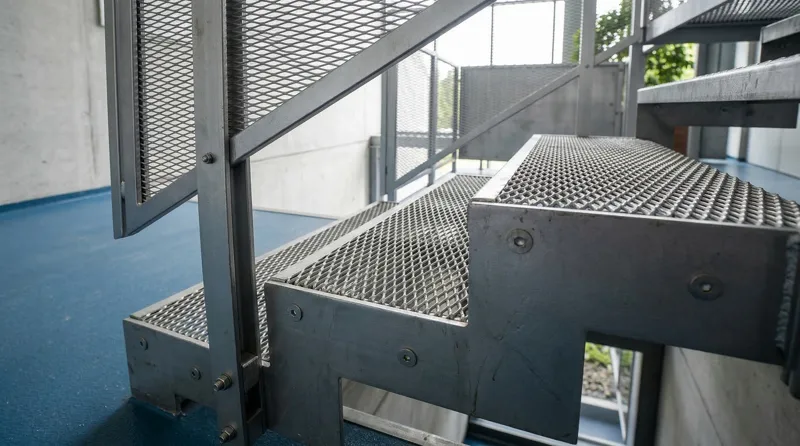
This matters in platform panels, facade screens, security infill, machine guards, and replacement sheets. These applications may all use expanded metal, yet they place different value on open area, edge safety, corrosion resistance, appearance, stiffness, and delivery condition. A buyer who does not describe the operation forces the supplier to guess. A buyer who describes the operation gives the supplier a chance to recommend raised mesh, flattened mesh, heavy duty mesh, stainless steel, coating, or cut-to-size panels with a defensible reason.
The supplier should provide line-item inclusions, quote validity, lead time basis, and an explanation of any setup charge. Evidence does not need to slow the order. In many cases, a clear photo and a written line item are enough. For larger jobs, drawings, certificates, inspection photos, and packaging labels may be needed. The level of proof should match the level of risk. If a supplier refuses to provide basic evidence, the buyer should treat the quote as incomplete no matter how attractive the price looks.
The specific risk is that quotes can appear far apart because one includes processing and another is raw material only. This risk is easy to overlook because expanded metal looks familiar. Most people can recognize the diamond pattern, so they assume the details are interchangeable. They are not. Strand dimensions, diamond direction, material grade, finishing route, and edge condition can change how the panel behaves. A good supplier helps expose those details before purchase; a weak supplier leaves them for the buyer to discover later.
A useful price comparison explains why the number changes. Keep the quote table tied to geometry, material, finish, cutting, packing, freight, and documents. When every supplier is compared on the same scope, the buying decision becomes easier to defend and easier to repeat.