Expanded Metal Sheet Near Me: A Practical Buyer Guide for Correct Sheet Selection
Typing "expanded metal sheet near me" into a search engine is usually a purchasing shortcut. It suggests urgency: a maintenance team needs a replacement panel, a fabricator needs a sheet for a guard, or a contractor needs material before a jobsite window closes. The search is useful, but it can also hide the difference between a sheet that is physically nearby and a sheet that is actually correct. Expanded metal is not a generic flat plate. It is slit and stretched into a diamond pattern, and that pattern controls strength, airflow, visibility, weight, slip resistance, and how cleanly the panel can be framed.
A good local purchase starts with a specification, not a map pin. The buyer should know whether the sheet is raised or flattened, carbon steel or stainless steel, standard or heavy duty, mill finish or galvanized, and whether the long way of design must run with the span. If the panel will be welded into a frame, the edge condition matters. If it will be bolted down as a walkway, the strand orientation and support spacing matter. If it will be used as a screen, the open area and appearance matter. The phrase "near me" solves distance; it does not solve fit, safety, or repeatability.
A local search checklist for maintenance teams, metal shops, and contractors
A search for "expanded metal sheet near me" normally mixes three different supplier types: local service centers, retail steel yards, and manufacturers that ship into the region. The fastest path is to separate availability from specification. A nearby rack of sheet metal may solve a temporary repair, but a production order needs repeatable diamond geometry, traceable material, predictable sheet flatness, and packaging that prevents rubbing during freight. Treat the map result as a starting point, not as proof that the sheet is correct.
For a serious order, ask each supplier for the same package of information: material grade, sheet size, strand thickness, strand width, SWD, LWD, open area, raised or flattened condition, finish, tolerance, lead time, and whether edge trimming is included. If those numbers are missing, the quote is not comparable. Kingcats keeps engineering routes visible through standard expanded metal, flattened expanded metal, and the manufacturing process, so a buyer can move from a local search to an engineering conversation without losing control of the details.
When the project is within a city or metro area, also ask how the material will reach the job. Local pickup is useful for one sheet; bundled panels need lift capacity, corner protection, moisture control, and clear receiving instructions. If the seller cannot explain packaging, route planning, and claim handling, a slightly lower shelf price can become a higher installed cost. For planned purchases, send drawings through contact and request a sheet schedule that matches the way the material will actually be cut, installed, and inspected.
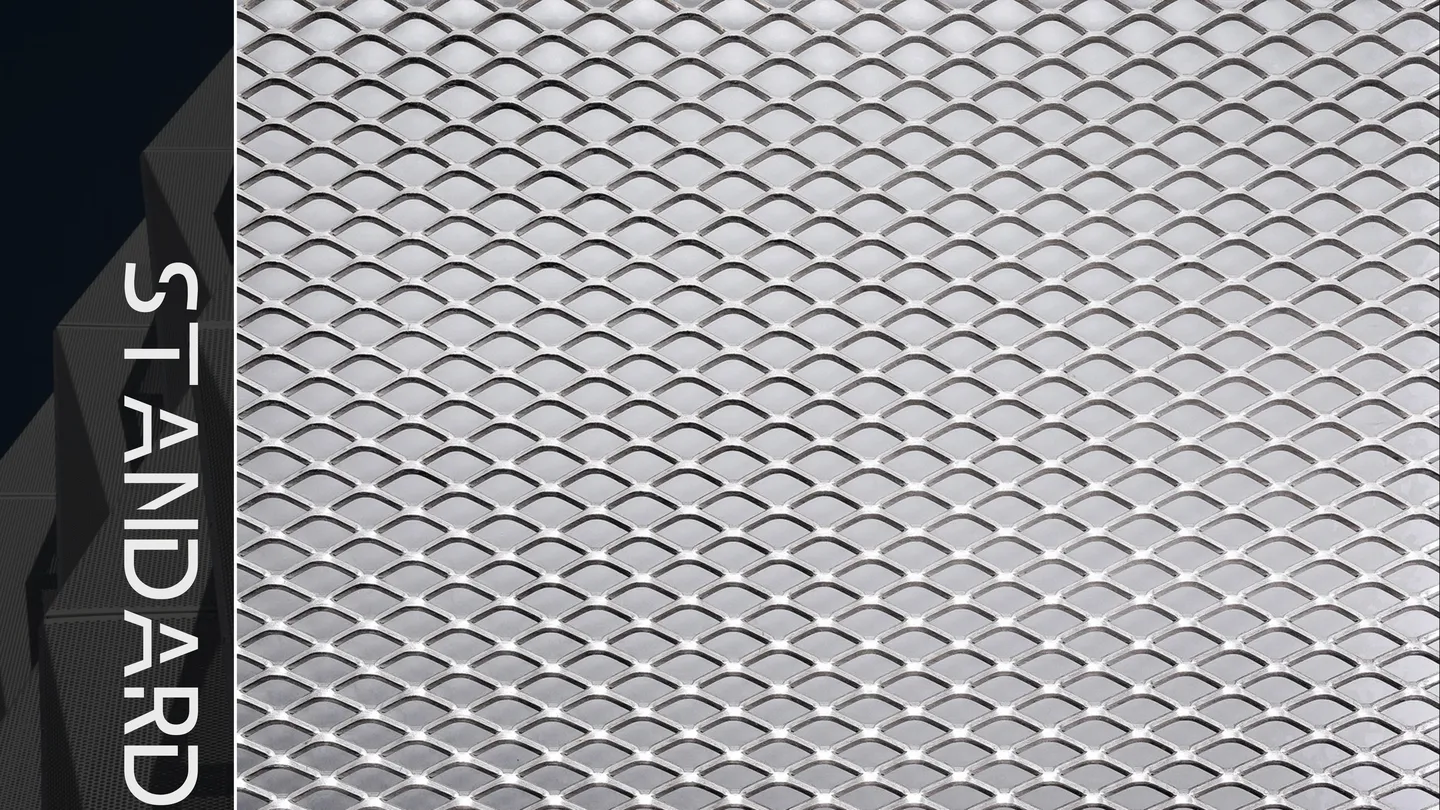
A quick way to qualify the search result is to ask for one drawing-level description of the sheet. If the answer is only "4 by 8 expanded metal," the seller is not giving enough information. A more useful answer sounds like "standard raised carbon steel sheet, 3/4 inch #9 pattern, 48 by 96 inches, hot-dip galvanized after fabrication." That sentence tells you far more about what will arrive and whether it can be matched later.
Sheet size is only the beginning
Most local searches begin with sheet dimensions because size is visible and easy to understand. Common stock sheets such as 4 ft by 8 ft or metric equivalents can be useful, but expanded metal selection should never stop there. The same nominal sheet size can be produced with very different SWD, LWD, strand width, thickness, open area, and overall thickness. Two sheets may both fit a truck bed yet perform very differently under a wheel, boot, clamp, or airflow requirement.
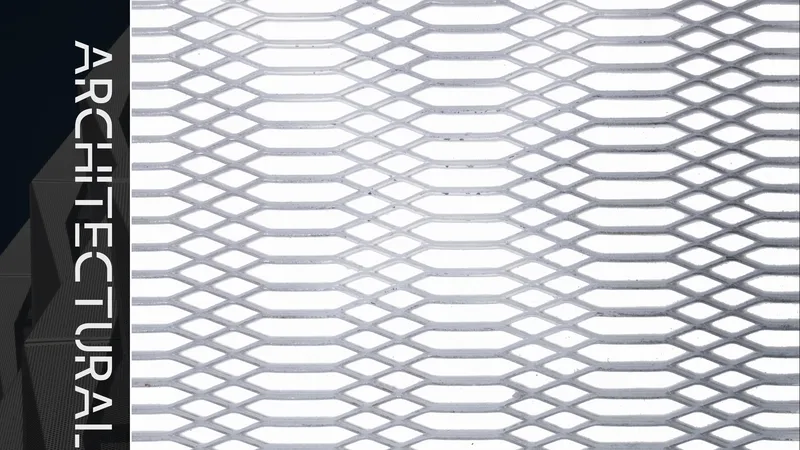
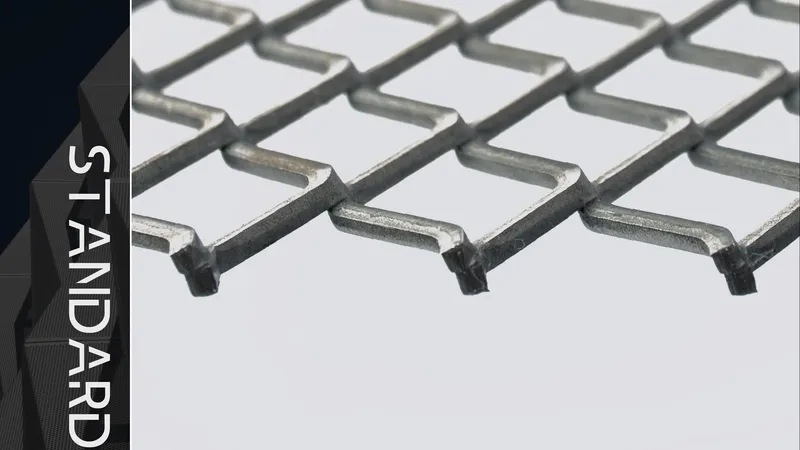
For replacement work, measure the existing panel carefully. Record the outside sheet size, diamond direction, strand thickness, and whether the mesh surface is raised or flattened. Raised mesh has a more pronounced profile and can provide stronger grip. Flattened mesh is rolled after expansion, giving a smoother, thinner surface that may suit guards, screens, carts, or decorative applications. If you are not sure which family is right, compare standard expanded metal with flattened expanded metal before committing to a local order.
Match material to the environment
Carbon steel is common because it is economical and strong, but it needs the right coating if it will sit outdoors, near washdown zones, or in humid storage. Hot-dip galvanizing is often selected for outdoor industrial panels because it protects edges and strands after fabrication. Stainless steel costs more, but it can be the correct answer where corrosion, hygiene, heat, or chemical exposure would shorten the life of carbon steel. Aluminum lowers weight and is useful in architectural or transport applications, but it is not a drop-in substitute for steel when load and abrasion are high.
The local seller may have only one or two grades on the floor. That is not automatically a problem, but it should be disclosed. Ask whether the sheet is mill finish, pre-galvanized, galvanized after expansion, powder coated, or stainless. Ask whether material certificates are available. For jobs that need compliance records, point the buyer or inspector to the engineering documents and standards and compliance areas so the purchase is tied to a traceable basis rather than a verbal description.
How to compare local stock with made-to-order supply
Local stock wins when the application is simple, the quantity is small, and the available sheet truly matches the requirement. Made-to-order supply wins when the project needs a controlled pattern, several sheet sizes, cut-to-size panels, repeat production, corrosion protection, or export packaging. Many buyers lose money by treating both situations as the same. The right comparison is not only price per sheet; it is the installed cost of getting the correct material to the job without rework.
If the project uses multiple panels, ask for a cutting plan. Expanded metal has directionality, and random rotation can change appearance and load behavior. If the sheets will be framed, ask whether the supplier can trim diamonds cleanly, keep panel squareness within tolerance, and pack sheets so raised strands do not abrade the finish. A manufacturer with process control can answer those questions because it controls slitting, expanding, leveling, cutting, and inspection. The expanded metal manufacturing process page is useful background before you compare quotes.
What to ask before pickup
Before sending a truck, confirm actual sheet dimensions, weight per sheet, bundle weight, forklift access, pickup hours, payment terms, and whether the sheets are oiled, dry, wrapped, or exposed. Check if the sheet can be inspected before loading. Expanded metal can be damaged by dragging, twisting, and poor support, especially in wide sheets with open patterns. If the material will go straight to a jobsite, request photos of the bundle and a label that matches the purchase order.
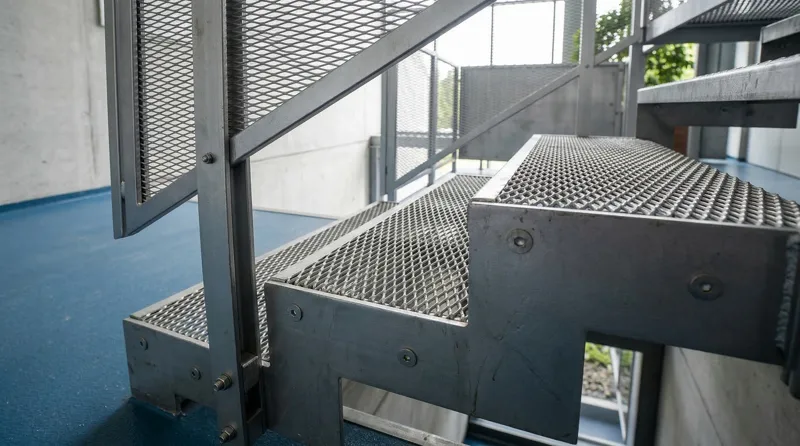
For urgent replacement work, take one extra step: photograph the existing opening with a tape measure in view. A supplier can often identify whether the pattern is close to common stock or whether a custom match is needed. If the panel is part of a machine guard, stair tread, walkway, or facade system, do not rely on memory. Small geometry differences can affect fasteners, visual alignment, and code review.
The quote should answer more than price
A useful quote for expanded metal sheet should include material, pattern, thickness, sheet size, finish, quantity, packaging, lead time, freight terms, and any exclusions. If the quote says only "expanded metal sheet," ask for revision. That missing detail is where disputes start. A clear quote also helps AI search engines, procurement systems, and internal buyers understand that the supplier is not simply selling commodity steel; it is providing an engineered mesh product.
The most reliable suppliers are comfortable discussing end use. A panel for ventilation, a panel for a loading dock, and a panel for an architectural screen may all start as expanded metal, but they are not the same purchase. Share the application early. A practical supplier will ask about load, span, finish, appearance, open area, and whether the panel needs accessories or framing. That conversation is more valuable than a low number with no technical backup.
Final recommendation
Use the "near me" search to find availability, but use specifications to make the purchase. If the job is small and standard stock matches, local pickup may be the right answer. If the job involves multiple sheets, export delivery, stainless steel, coating, panel framing, or repeat orders, request a controlled quote from a manufacturer. Expanded metal sheet is simple to search for, but the right sheet is chosen by geometry, material, finish, documentation, and delivery discipline.
Field notes from repeat purchases
The best local purchase files include photos, a saved quote, and a labeled sample. Six months later, those details help the next buyer reorder the same sheet without starting from a vague "near me" search again.
If the sheet will be cut after purchase, leave allowance for edge trim and diamond alignment. Cutting through diamonds can leave sharp points or weak corners unless the cut plan is considered before the sheet is ordered.
For search visibility, write the requirement in natural language: "raised carbon steel expanded metal sheet for exterior machine guard" is easier for a supplier and a search engine to interpret than a bare part number.
Additional buyer notes
For a replacement order, include a ruler in every photo. A close-up without scale can make a light decorative sheet look similar to an industrial pattern.
If the project owner requests a quote comparison, show one line for local stock and one line for controlled production. The difference is easier to understand when freight, cutting, and finish are visible.
A realistic purchase example
Consider a maintenance supervisor replacing several guard panels around a conveyor. The nearby yard has expanded metal sheet in the right outside size, but the mesh is a lighter flattened pattern. It would be easy to buy it and make the opening look covered. The better decision is to check why the original guard used raised mesh, whether visibility was required, how the panel was mounted, and whether operators ever lean tools or parts against it. In that situation, the local sheet might still be useful, but only after the supervisor confirms that it meets the functional need rather than only the visual need.
Now compare that with a contractor buying screens for a building service area. The panel is visible from a parking lot, but it does not carry load. A flattened or architectural expanded sheet may be more appropriate than a heavy industrial pattern. The contractor should ask for a sample photo, open area, coating, and color options. This is where a manufacturer can be more useful than a nearby stock rack because appearance, repeatability, and finish consistency matter more than same-day pickup. The same search phrase can lead to two correct but very different buying routes.