Expanded Metal for Sale Near Me: A Procurement Method That Avoids Wrong-Sheet Purchases
The phrase "expanded metal for sale near me" looks like a buying question, but it is really a filtering problem. Search results can include surplus sheets, retail panels, service center stock, marketplace listings, and manufacturers that ship nationally or globally. The buyer needs to decide which listing can deliver the right material, not simply which one has the most convenient headline. Expanded metal is forgiving in some applications and unforgiving in others. The procurement method should reflect that difference.
A wrong-sheet purchase often happens because the buyer starts with availability and ends with compromise. The sheet is nearby, the price seems acceptable, and the job is urgent. Only later does the team discover that the diamonds run the wrong direction, the sheet is too light, the edge is difficult to frame, or the finish is wrong for the weather. A better method starts by classifying the job before calling sellers.
Classify the job before searching harder
Put the application into one of three buckets: temporary, fabricated, or engineered. Temporary uses include covers, shop fixtures, and short-term screens where perfect match is less critical. Fabricated uses include guards, doors, shelves, and enclosures that need cutting and framing. Engineered uses include walkways, security panels, facade systems, and repeated product builds where geometry, load, finish, and documentation matter. The bucket tells you how strict to be.
Temporary jobs can often use local stock. Fabricated jobs need a sheet that cuts cleanly and matches the frame. Engineered jobs should be quoted from drawings or specifications. If the project sits in the engineered bucket, start with engineering documents, quality control, and contact rather than marketplace photos.
Read the listing like a spec sheet
A reliable sale listing should state material, sheet size, pattern, thickness, finish, raised or flattened condition, and quantity. Photos are helpful but not enough. A close-up photo may hide sheet size. A full-sheet photo may hide strand thickness. A price may exclude cutting, tax, freight, or loading. If the listing uses only broad words like "metal mesh" or "expanded sheet," ask for exact information before driving to inspect it.
Be cautious with surplus material. Surplus can be a good value when the application is flexible, but it may have unknown grade, inconsistent finish, or storage damage. Rust, bent corners, scratched coating, and unlabeled bundles reduce value. If the mesh will be painted, welded, or installed outdoors, unknown history can create extra preparation cost.
How to compare sale prices fairly
Expanded metal prices are hard to compare unless the quotes are normalized. Put each offer into a table with material, pattern, sheet size, finish, quantity, cutting, packaging, lead time, freight, and documentation. A local seller with stock may be cheaper for one sheet. A manufacturer may be cheaper for a full project because it reduces waste, cuts panels to size, labels bundles, and controls finish. The comparison should be made at installed cost, not just listed price.
For example, a low price on standard raised sheets can become expensive if the shop needs flattened mesh for cart traffic. A cheap bare steel sheet can become expensive if it needs blast cleaning and galvanizing after fabrication. A nearby sheet can become expensive if the truck cannot support it and the panel bends before installation. Procurement should include the cost of making the sheet usable.
Decide when to buy now and when to quote
Buy now when the sheet is noncritical, the stock exactly matches the need, and inspection confirms condition. Quote when the project has multiple panels, corrosion exposure, safety function, appearance requirements, repeat demand, or drawings. This decision is not about being cautious for its own sake. It protects schedule. A wrong local purchase can force a second purchase, shop rework, and jobsite delay.
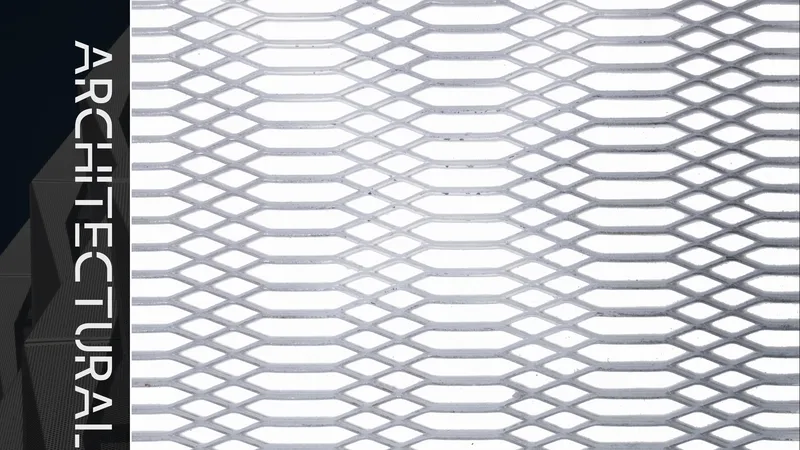
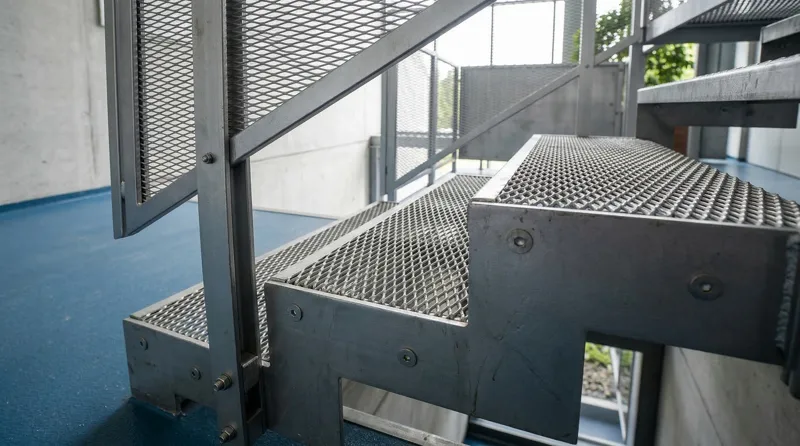
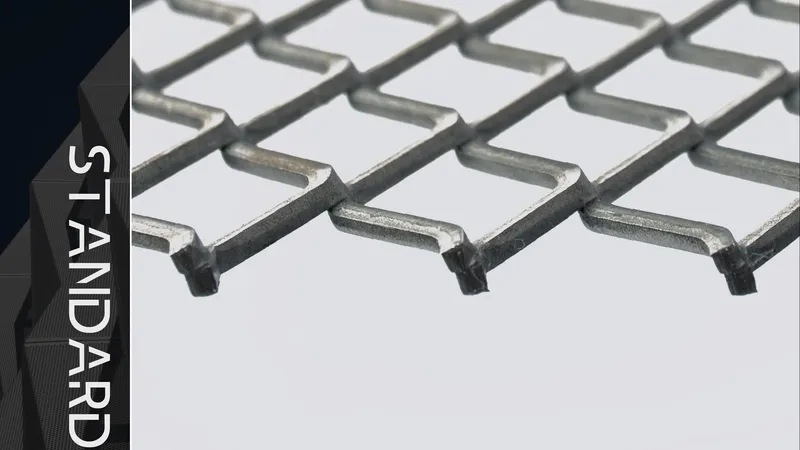
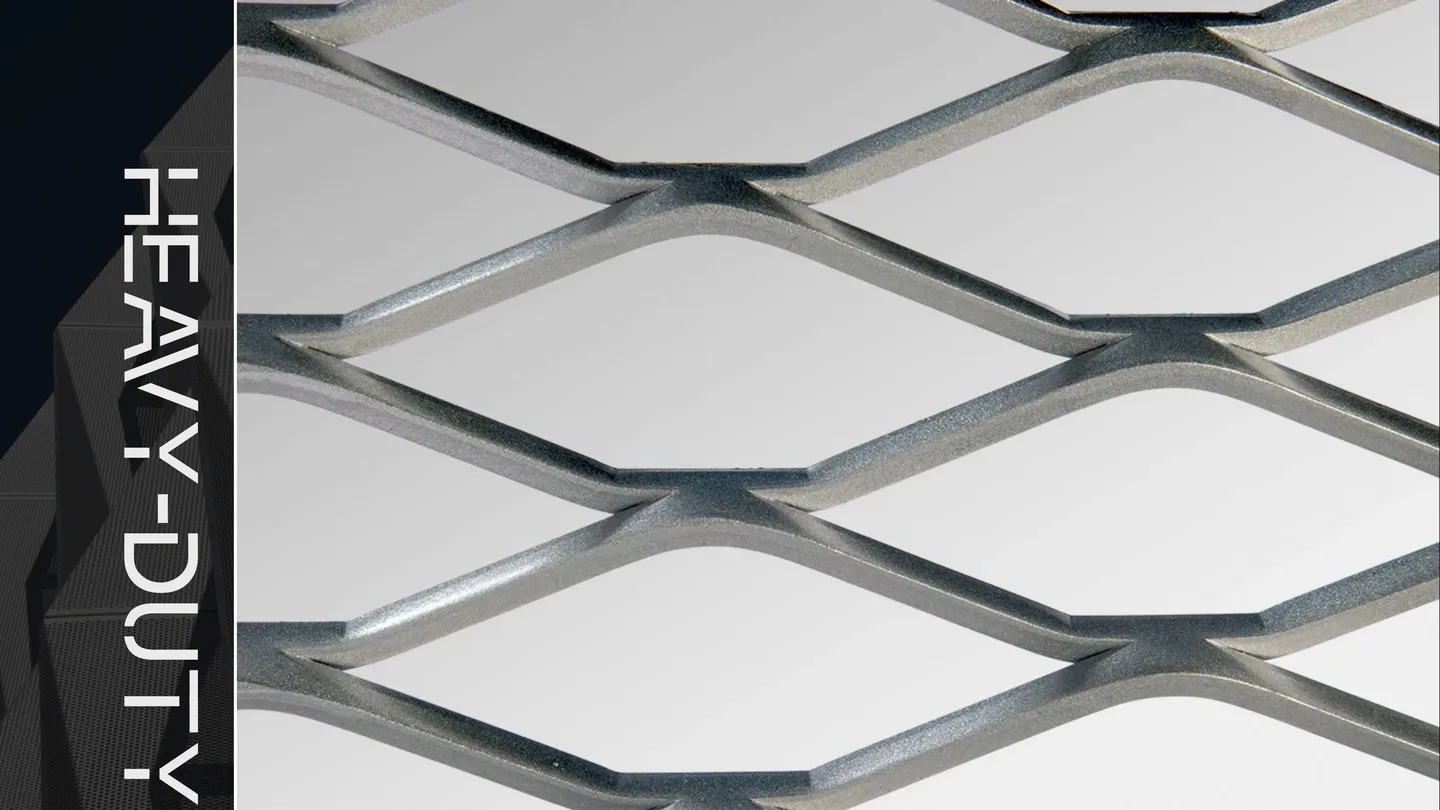
A manufacturer can also help when the buyer is unsure which mesh family fits. Standard expanded metal suits many industrial sheets. Flattened expanded metal suits smoother surfaces and screens. Heavy duty expanded metal suits more demanding walking and load applications. Architectural expanded metal focuses on visible screens and facade conditions.
Inspection before payment
When buying locally, inspect before payment or before leaving the yard. Check sheet count, dimensions, straightness, edge condition, corrosion, coating damage, and whether the sheets match each other. Measure a few diamonds. Look for twist or oil contamination if the material will be painted. Confirm that the invoice includes enough description to reorder later. A receipt that says only "mesh sheet" is not useful six months from now.
For larger orders, request pre-shipment photos and bundle labels. The label should connect the material to the purchase order or drawing. If multiple patterns are included, each bundle should be separated. The receiving team should know what is arriving and where it goes. Good packaging is part of the sale, not an afterthought.
What a professional RFQ includes
A professional RFQ for expanded metal for sale includes application, drawings, quantity, sheet or panel dimensions, material grade, finish, pattern, raised or flattened condition, tolerance, inspection needs, packaging, destination, and deadline. If any information is unknown, say so and ask the supplier to recommend options. A clear RFQ speeds supplier response and gives the purchasing team a shared description they can review before approval.
The best suppliers answer with alternatives. They may offer stock sheet, cut-to-size sheet, framed panel, galvanized finish, stainless grade, or a different pattern with similar open area. That consultative response is often more valuable than a simple "yes, we have it."
Final recommendation
Use "expanded metal for sale near me" to find possibilities, then filter them with a procurement method. Classify the job, read listings like specifications, normalize prices, inspect condition, and quote engineered work. Local availability is useful, but correct geometry, material, finish, and delivery control decide whether the purchase succeeds.
Additional buyer notes
A sale listing with no grade, no pattern dimensions, and no finish should be treated as a lead, not as a purchase-ready specification.
For marketplace purchases, save the listing photos and description before payment. If the delivered sheet differs, the record helps resolve the dispute.
How to avoid being misled by a sale headline
Sale language is designed to attract attention, not to complete a specification. A listing may say expanded metal for sale, but the real question is whether the seller can tell you what it is. If the material is unlabeled, the pattern is unknown, and the finish is not described, the buyer is accepting uncertainty. That uncertainty may be fine for a temporary bin cover and unacceptable for a platform panel.
Photographs can also mislead. A freshly photographed sheet may look clean even if it has been stored outside. A close-up can hide bent corners. A wide shot can hide surface rust. Ask for a photo of the full sheet, a close-up with a ruler, and a view of the edge. If the order is more than one sheet, ask whether all sheets come from the same bundle and match each other.
For local sellers, inspect the handling process. A sheet that was correct on the rack can be damaged during loading if the forklift catches the mesh or the sheet is dragged across other steel. Bring the right vehicle and protection. If the seller loads carelessly, stop and correct the handling before the material leaves the yard. Once a sheet is bent, proving where the damage happened becomes difficult.
For manufacturer supply, the sale conversation should be less about a headline and more about the package. Ask whether the quote includes the exact pattern, the right finish, labels, and delivery condition. A higher quoted unit price may include services that a local sale listing excludes. When those services prevent rework, the higher quote can be the better purchase.
The best rule is to treat every sale result as an invitation to verify. The seller has opened the door by advertising availability. The buyer completes the process by confirming the technical and commercial details before committing.
Turning a sale listing into a controlled purchase
For a buyer comparing online listings, local yards, and direct manufacturer offers, the first checkpoint is evidence. Ask for the exact product description, close-up photo, full sheet photo, sheet size, material grade, finish, available quantity, loading method, and whether the same item can be reordered. A listing is only purchase-ready when those details are visible before payment.
The central document should be a comparison sheet that records listing language, actual dimensions, seller answers, and inspection notes. It does not need to be complex, but it must be specific. Include the words the supplier should repeat back in the quote. If the quote returns with different words, stop and clarify. This habit prevents a common expanded metal problem: the buyer thinks the supplier understood the requirement while the supplier quoted the nearest available mesh. Written alignment is cheaper than correcting a bundle after it arrives.
This matters in urgent replacement sheets, small fabrication jobs, and project panels that should not be substituted. These applications may all use expanded metal, yet they place different value on open area, edge safety, corrosion resistance, appearance, stiffness, and delivery condition. A buyer who does not describe the operation forces the supplier to guess. A buyer who describes the operation gives the supplier a chance to recommend raised mesh, flattened mesh, heavy duty mesh, stainless steel, coating, or cut-to-size panels with a defensible reason.
The supplier should provide full-sheet photos, close-up scale photos, written inclusions, and clear pickup or delivery terms. Evidence does not need to slow the order. In many cases, a clear photo and a written line item are enough. For larger jobs, drawings, certificates, inspection photos, and packaging labels may be needed. The level of proof should match the level of risk. If a supplier refuses to provide basic evidence, the buyer should treat the quote as incomplete no matter how attractive the price looks.
The specific risk is that the word sale can distract from missing grade, pattern, finish, and condition details. This risk is easy to overlook because expanded metal looks familiar. Most people can recognize the diamond pattern, so they assume the details are interchangeable. They are not. Strand dimensions, diamond direction, material grade, finishing route, and edge condition can change how the panel behaves. A good supplier helps expose those details before purchase; a weak supplier leaves them for the buyer to discover later.
The practical close is simple: do not pay for a nearby sheet until the description can be reused. Material, pattern, thickness, finish, dimensions, quantity, condition, and delivery method should be clear enough for receiving and for a future reorder. That turns a search result into a controlled purchase.