Expanded Metal for Sale: How to Buy Stock Sheets, Cut Panels, and Project Mesh Correctly
The broad search "expanded metal for sale" is useful because it exposes many options, but the phrase covers several buying routes. A stock sheet at a yard, a cut-to-size panel from a fabricator, a finished galvanized walkway panel, and a decorative architectural screen can all be expanded metal. They should not be bought with the same expectations. The right route depends on application, quantity, risk, and how much fabrication remains after delivery.
Buyers who treat expanded metal as a simple commodity often end up solving problems in the shop or on site. The sheet may be correct in material but wrong in orientation. The pattern may look right but be too light. The price may exclude the finishing work needed for outdoor service. A better buying process identifies the product form first, then compares suppliers within that form.
Four product forms hidden inside one search
The first form is stock sheet. It is useful for quick fabrication and small quantities. The second form is cut-to-size sheet, where the supplier trims panels to a drawing. The third form is fabricated panel, which may include frames, edging, fasteners, or welded components. The fourth form is project supply, where multiple patterns, finishes, labels, and deliveries are coordinated under one order. Each form adds value and cost in a different place.
A stock sheet may be the best answer for a repair. A fabricated panel may be the best answer for a guard. Project supply may be the best answer for a platform, facade, or security package. If you are unsure which form fits, start with the application and then review products and expanded metal manufacturing process to understand the supply path.
Choose the mesh family before the seller
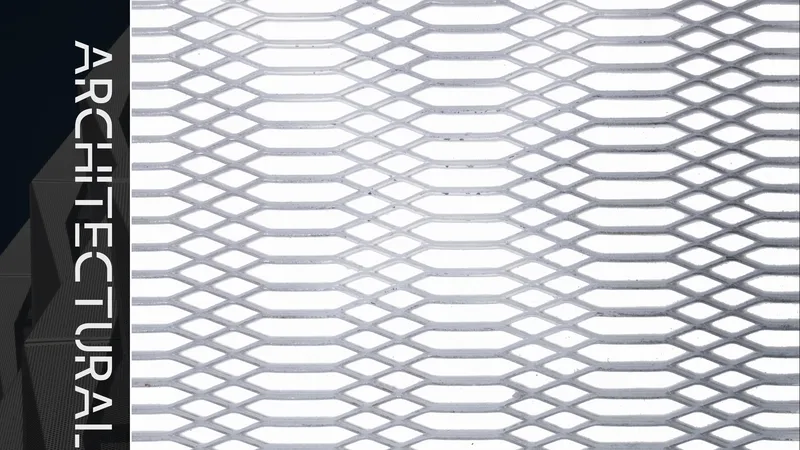
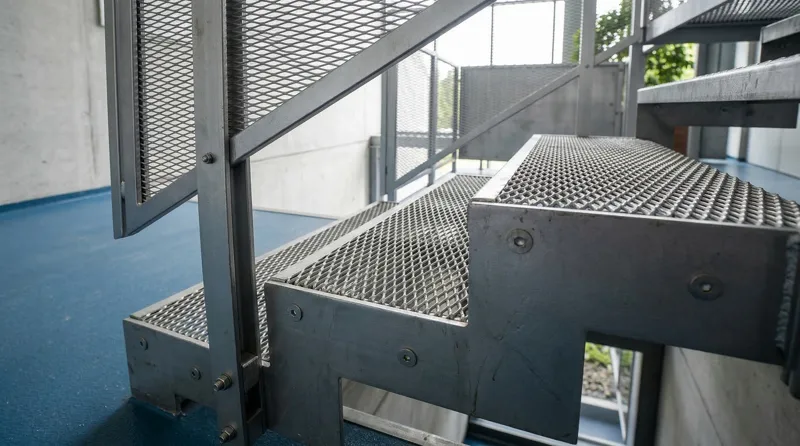
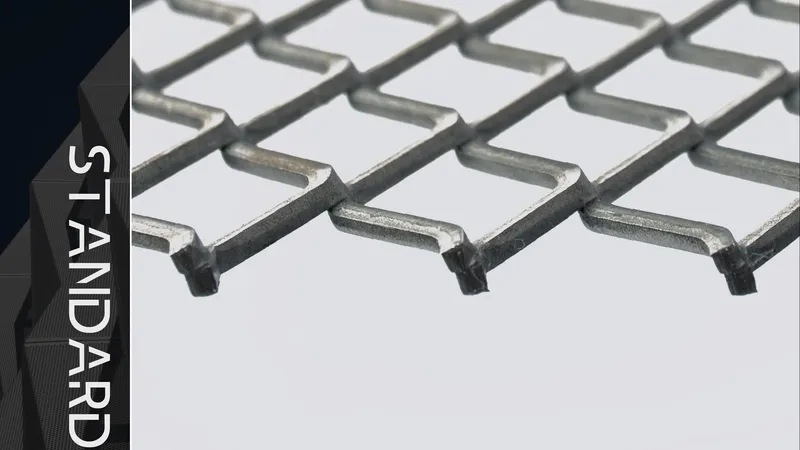
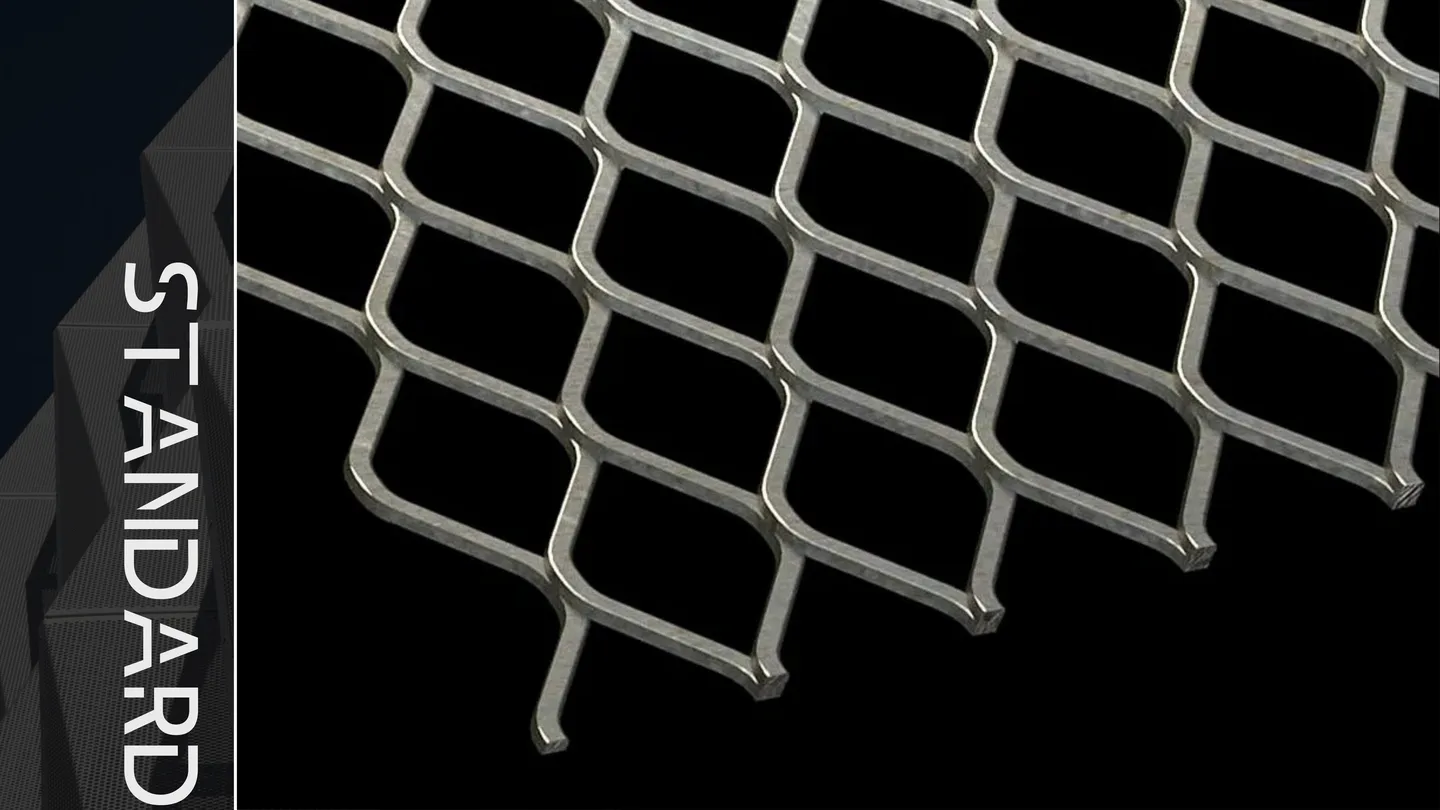
Expanded metal families include standard raised mesh, flattened mesh, heavy duty mesh, micro expanded metal, and architectural patterns. Standard raised mesh is common for industrial screens, guards, and general panels. Flattened mesh provides a smoother profile. Heavy duty mesh is used where load, impact, and rigidity matter. Micro expanded metal is used in fine screens and technical applications. Architectural expanded metal emphasizes appearance, light, shade, and facade rhythm.
A seller may offer only one family. That is acceptable if the family matches the job. It is a problem if the application needs something else. A machine guard, a drainage platform, and a ceiling panel do not need the same mesh. Link the application to standard, flattened, heavy duty, micro, or architectural before comparing price.
Stock sheet buying
For stock sheets, inspect condition and confirm the label. Measure dimensions. Check whether the mesh is raised or flattened. Look for bent corners, rust, scratched coating, oil, and inconsistent diamonds. Ask how long the sheet has been stored and whether the material grade is known. If the sheet will be painted or welded, surface condition matters. If it will be installed outdoors, finish matters even more.
Stock buying should be fast but not blind. A ten-minute inspection can prevent a full day of rework. If the order may repeat, save the product description and photos. Future buyers need more than a memory of where the sheet was found.
Cut-to-size and fabricated panels
Cut-to-size orders should include drawings, tolerance, orientation, edge expectations, and packaging. Expanded metal edges can be sharp or irregular if the cut plan is not controlled. If a panel will sit in a frame, the supplier should know whether the edge is hidden or exposed. If the panel will be handled by users, ask about deburring, edging, or U-channel. If the panel will be galvanized after fabrication, drainage and distortion should be considered.
Fabricated panels require communication between design and production. Welds, clips, hinges, and frames can change the performance of the mesh. A supplier that understands fabrication can recommend where to place supports and how to keep the pattern aligned. That capability is often worth more than a cheaper raw sheet.
Project supply and documentation
Project supply is where expanded metal becomes a managed package. The buyer may need drawings, sample approval, coating records, mill certificates, inspection photos, bundle labels, and staged deliveries. The supplier should be able to connect each panel to a schedule. This is common for industrial platforms, facade screens, security enclosures, and export projects.
The projects, quality control, and packaging and logistics pages are relevant when the purchase involves more than material. They show how application, inspection, and delivery fit together. A strong project supplier reduces coordination work for the buyer.
Questions to ask every seller
Ask what material grades are available, which mesh families are stocked, what sheet sizes are standard, whether custom sizes are possible, how sheets are finished, whether certificates are available, how panels are packed, and how repeat orders are controlled. Ask for photos of the exact product if buying remotely. Ask for drawings or data sheets if the product will be specified to an engineer or owner.
A seller who answers quickly but vaguely may be fine for a small noncritical purchase. A seller who answers with dimensions, finish options, and process details is better for project work. Match supplier depth to project risk.
Final recommendation
Expanded metal for sale is not one buying category. It includes stock sheets, cut panels, fabricated parts, and project supply. Define the form, select the mesh family, verify the material and finish, then choose the supplier. That process keeps the search broad enough to find options and disciplined enough to avoid buying the wrong mesh.
Additional buyer notes
For distributor stock, ask whether sheets from different bundles can be mixed. Mixed batches may be acceptable for hidden use and unacceptable for visible panels.
If the panel will be painted after purchase, ask about oil and surface condition. Paint preparation can erase any savings from a cheap sheet.
Stock, fabrication, and project supply in one decision tree
A useful decision tree begins with the question: will the mesh be used as-is? If yes, stock sheet may be enough. If no, ask who will cut, frame, finish, and inspect it. Every step after the raw sheet has cost and risk. Buyers who answer this question early avoid purchasing material that simply moves the problem from supplier to shop floor.
The second decision is whether the project requires repeatability. A one-time shop fixture can tolerate a substitute pattern. A product line, building package, or equipment guard program cannot. Repeatability favors a manufacturer or a supplier with documented sourcing because the next order should match the first. Without records, the buyer may spend time searching again and still receive a different mesh.
The third decision is finish timing. If panels must be welded into frames, finishing after fabrication may protect cut edges and welds. If sheets are used raw or only cut lightly, prefinished material may be efficient. The sequence affects price, lead time, and quality. It should be part of the buying route, not an afterthought.
The fourth decision is delivery condition. If the buyer has equipment and labor, raw sheets may be practical. If the jobsite is congested or remote, pre-cut, labeled, and packed panels may reduce field handling. This is especially important for projects where installers are not metal fabricators. A ready-to-install package can prevent mistakes that are expensive to fix after delivery.
The search phrase expanded metal for sale opens the market. The decision tree narrows it to the right product form. That is how buyers keep options broad without losing control of the final result.
The handoff from buyer to fabricator
For a fabrication shop receiving material from several sources, the purchase record should describe the part before price is requested. Include pattern, orientation, edge condition, finish sequence, handling notes, and the consequence of a wrong substitution. This gives the supplier a practical target and gives the shop a receiving check when the bundle arrives.
The central document should be a handoff note with pattern, orientation, edge expectation, finish sequence, and handling instruction. It does not need to be complex, but it must be specific. Include the words the supplier should repeat back in the quote. If the quote returns with different words, stop and clarify. This habit prevents a common expanded metal problem: the buyer thinks the supplier understood the requirement while the supplier quoted the nearest available mesh. Written alignment is cheaper than correcting a bundle after it arrives.
This matters in doors, guards, frames, covers, screens, and small production assemblies. These applications may all use expanded metal, yet they place different value on open area, edge safety, corrosion resistance, appearance, stiffness, and delivery condition. A buyer who does not describe the operation forces the supplier to guess. A buyer who describes the operation gives the supplier a chance to recommend raised mesh, flattened mesh, heavy duty mesh, stainless steel, coating, or cut-to-size panels with a defensible reason.
The supplier should provide supplier description, shop receiving check, photos before cutting, and notes on any deviation from the drawing. Evidence does not need to slow the order. In many cases, a clear photo and a written line item are enough. For larger jobs, drawings, certificates, inspection photos, and packaging labels may be needed. The level of proof should match the level of risk. If a supplier refuses to provide basic evidence, the buyer should treat the quote as incomplete no matter how attractive the price looks.
The specific risk is that the buyer may purchase a sheet that the fabricator can use only after extra cutting, deburring, or surface preparation. This risk is easy to overlook because expanded metal looks familiar. Most people can recognize the diamond pattern, so they assume the details are interchangeable. They are not. Strand dimensions, diamond direction, material grade, finishing route, and edge condition can change how the panel behaves. A good supplier helps expose those details before purchase; a weak supplier leaves them for the buyer to discover later.
A reliable purchase ends with a product description that the receiving team and fabricator can use without guessing. If material, finish, pattern, size, orientation, edge condition, or delivery state is still unclear, the order is not ready. Clear purchasing language keeps the next repair, build, or reorder faster and safer.
Final specification check
Before the purchase is closed, read the product description aloud as if the receiving team, installer, and future reordering buyer were in the room. If any person would still need to ask what material, finish, pattern, size, orientation, or delivery condition is intended, the description is not complete. This final check is quick, but it catches many expensive gaps. It also creates a clean internal record because the requirement is explained in practical purchasing language rather than left as a loose keyword. Clear purchasing language keeps the next decision faster and safer.